All About Trump Effigy: Controversies, Impact, and Symbolism
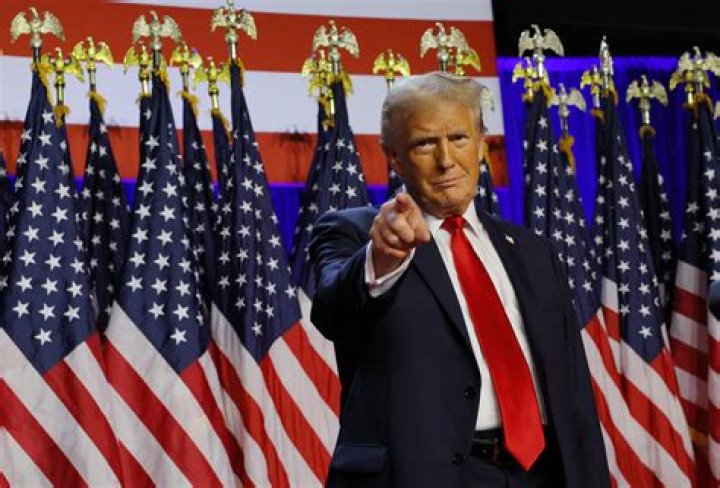
The concept of a "trump effigy" has become a cultural phenomenon in recent years, symbolizing both political dissent and artistic expression. As effigies have long served as a means of protest, the representation of former U.S. President Donald Trump in effigy form has sparked significant discourse worldwide. Whether crafted in protest or celebration, these effigies reflect the polarizing nature of Trump’s presidency and the broader socio-political climate.
Effigies have been used throughout history to express public sentiment, often serving as powerful symbols of resistance or support. The "trump effigy" is no exception, capturing the attention of artists, activists, and media outlets across the globe. This phenomenon not only highlights the divisive nature of Trump's leadership but also underscores the role of art in political activism. As effigies of Trump continue to appear in various forms and contexts, they serve as a compelling reminder of the power of symbolic representation in shaping public opinion.
The creation and destruction of effigies have long been a practice steeped in ritual and tradition. In the case of the "trump effigy," these acts often carry deep political and cultural significance. From parades to protests, these effigies have been used to convey messages of dissent and to galvanize public action. In this article, we will explore the origins and implications of the "trump effigy," delving into its impact on political discourse, its artistic and cultural significance, and the controversies that have surrounded it.
Biography of Donald Trump
Donald John Trump, born on June 14, 1946, in Queens, New York City, is a renowned businessman, television personality, and the 45th President of the United States. He grew up in a wealthy family and attended the Wharton School of the University of Pennsylvania, graduating with a degree in economics in 1968. Trump's business career began with his father's real estate company, which he eventually took over and expanded into a global empire. His foray into politics culminated in his 2016 presidential victory, where he served from January 20, 2017, to January 20, 2021.
Throughout his presidency, Trump's policies and rhetoric were marked by controversy and division. He implemented significant tax reforms, deregulation, and a hardline immigration stance while also advancing a nationalist agenda. These actions, among others, have deeply polarized public opinion, making him a frequent subject of effigy representations.
Personal Details of Donald Trump
| Detail | Information |
|---|---|
| Full Name | Donald John Trump |
| Date of Birth | June 14, 1946 |
| Place of Birth | Queens, New York City, USA |
| Education | Wharton School of the University of Pennsylvania |
| Occupation | Businessman, Television Personality, Politician |
| Presidency | 45th President of the United States (2017–2021) |
Historical Significance of Effigies
Effigies have served as symbols of protest and celebration for centuries, with roots tracing back to ancient rituals and traditions. Historically, effigies were often used in religious ceremonies or as a form of mockery towards political figures. The act of creating and displaying effigies is deeply ingrained in many cultures around the world, often used to convey messages of dissent or support.
Throughout history, effigies have been employed to express public sentiment during times of political upheaval. From the Guy Fawkes effigies burned annually in the United Kingdom to the effigies of unpopular leaders used in protests worldwide, these figures hold significant cultural and historical value. They serve as a visual representation of collective emotions, often drawing attention to societal issues and sparking discussions around them.
Political Context of Trump Effigies
The emergence of "trump effigy" as a symbol of political protest can be understood within the broader context of Trump's presidency, which was characterized by a polarizing and often contentious political climate. Trump's policies, rhetoric, and leadership style have provoked strong reactions from supporters and critics alike, making him a frequent subject of effigy representations.
During his presidency, Trump's actions on issues such as immigration, foreign policy, and social justice evoked fervent responses from various groups. Effigies of Trump have been created to protest against his administration's policies, serving as powerful symbols of dissent. These effigies are often used in demonstrations and parades, drawing significant media attention and sparking public discourse.
Artistic Expression Through Effigies
Effigies serve as a unique medium for artistic expression, allowing creators to convey complex messages through visual art. The "trump effigy" has inspired artists and activists worldwide, who use their creations to comment on political and social issues. These effigies often incorporate elements of satire and humor, using exaggeration and symbolism to communicate their messages.
Artists have utilized various materials and techniques to construct effigies of Trump, ranging from traditional papier-mâché to modern digital art. These creations often reflect the cultural and political contexts in which they are produced, serving as a form of commentary on contemporary issues. The artistic nature of effigies allows for diverse interpretations, making them a powerful tool for engaging audiences and provoking thought.
Cultural Impact of Trump Effigies
The cultural impact of "trump effigy" is significant, highlighting the role of art and symbolism in shaping public discourse. These effigies have become emblematic of the resistance against Trump's policies, serving as a visual representation of dissent. They have been used in protests and demonstrations worldwide, drawing attention to various political and social issues.
Effigies of Trump have also influenced popular culture, appearing in media coverage and inspiring discussions around freedom of expression and artistic creativity. These representations often spark debates around their appropriateness and effectiveness, prompting conversations about the power of symbolism in political activism.
Controversies Surrounding Trump Effigies
The creation and display of "trump effigy" have not been without controversy. These effigies often provoke strong reactions, with some viewing them as legitimate forms of protest while others see them as disrespectful or inflammatory. The divisive nature of Trump's presidency has amplified these tensions, leading to debates around the ethics and impact of effigy representations.
Critics argue that effigies of Trump can perpetuate negative stereotypes and incite hostility, while supporters view them as necessary expressions of dissent. The controversies surrounding these effigies highlight the challenges of balancing freedom of expression with respect and civility in political discourse.
Symbolism in Trump Effigies
Symbolism plays a crucial role in the creation and interpretation of "trump effigy," with artists and activists using visual cues to convey specific messages. These effigies often incorporate elements that reflect Trump's policies, personality, and leadership style, using symbolism to critique or satirize his actions.
Common symbols found in effigies of Trump include references to his controversial statements and policies, as well as visual metaphors that highlight his perceived flaws or strengths. The use of symbolism allows creators to communicate complex ideas succinctly, making effigies a powerful tool for engaging audiences and sparking dialogue.
Trump Effigies in Media
The portrayal of "trump effigy" in media coverage has played a significant role in shaping public perceptions of these representations. Media outlets often highlight effigies in their coverage of protests and political events, drawing attention to their symbolic significance and the messages they convey.
Effigies of Trump have been featured in news reports, documentaries, and social media platforms, reaching a wide audience and influencing public opinion. The media's portrayal of these effigies can impact their reception and effectiveness, shaping how they are perceived by the public.
Global Reactions to Trump Effigies
The "trump effigy" has elicited diverse reactions from audiences around the world, reflecting the varied perspectives on Trump's presidency and policies. In some regions, effigies have been embraced as symbols of resistance, while in others, they have been met with criticism or indifference.
Global reactions to effigies of Trump often reflect broader cultural and political contexts, with individuals and groups using these representations to express their views on international issues. The worldwide presence of these effigies underscores the global impact of Trump's leadership and the importance of symbolic representation in political discourse.
Legal Aspects of Effigy Creation
The creation and display of "trump effigy" raise legal considerations, particularly concerning freedom of expression and public safety. Artists and activists must navigate a complex legal landscape, balancing their right to free speech with potential restrictions on public demonstrations and artistic expression.
In some jurisdictions, effigy creation may be subject to permits or regulations, particularly if the effigy is intended for public display. Legal challenges can arise if effigies are perceived as inciting violence or hatred, prompting debates around the boundaries of artistic expression and the role of the law in regulating political protest.
Effigies as a Form of Protest
Effigies have long been used as a form of protest, serving as visual symbols of dissent and resistance. The "trump effigy" is no exception, with artists and activists employing these representations to challenge Trump's policies and leadership.
Effigies are often used in demonstrations and parades, drawing attention to specific issues and rallying support for social and political change. The visual impact of effigies makes them an effective tool for communicating complex messages and engaging audiences in political discourse.
Future of Effigies in Political Discourse
The future of "trump effigy" and effigies in general as a form of political discourse is likely to evolve as new issues and leaders emerge. Effigies will continue to serve as powerful symbols of protest and support, reflecting the changing landscape of political activism and artistic expression.
As technology advances and new forms of media emerge, effigies may take on new forms and meanings, influencing how they are used and perceived in political discourse. The enduring significance of effigies as a means of expression underscores their importance in shaping public opinion and driving social change.
Frequently Asked Questions
1. What is the purpose of a trump effigy?
A trump effigy is often used as a symbol of protest or dissent, representing opposition to Trump's policies or leadership. It can also serve as a form of artistic expression or commentary on political and social issues.
2. Are effigies considered a form of free speech?
Effigies are generally considered a form of free speech, protected under the right to freedom of expression. However, legal considerations may apply, particularly if the effigy is deemed to incite violence or hatred.
3. Why do people create effigies of political leaders?
Effigies of political leaders are often created to express public sentiment, whether in protest or support. They serve as visual symbols that convey complex messages and engage audiences in political discourse.
4. How do effigies influence public opinion?
Effigies can influence public opinion by drawing attention to specific issues and sparking dialogue around them. Their visual impact and symbolic significance make them effective tools for shaping perceptions and driving social change.
5. What are some common materials used to create effigies?
Effigies can be made using a variety of materials, including papier-mâché, wood, fabric, and metal. Artists often choose materials based on the desired visual effect and the context in which the effigy will be displayed.
6. How have effigies evolved over time?
Effigies have evolved from traditional forms used in religious and cultural rituals to modern representations used in political and social activism. Advances in technology and media have further expanded the possibilities for effigy creation and expression.
Conclusion
The "trump effigy" serves as a powerful symbol of political dissent and artistic expression, reflecting the polarizing nature of Trump's presidency and the broader socio-political climate. As effigies continue to appear in various forms and contexts, they underscore the enduring significance of symbolic representation in shaping public opinion and driving social change. Whether used in protest or celebration, effigies remain a compelling reminder of the power of art and symbolism in political discourse.
Effigies will likely continue to play a role in political activism, evolving with new leaders and issues. The rich history and cultural significance of effigies highlight their importance as tools for expression, engagement, and change, making them an enduring element of political and social movements worldwide.