All You Need to Know About Wall Fly: A Detailed Insight
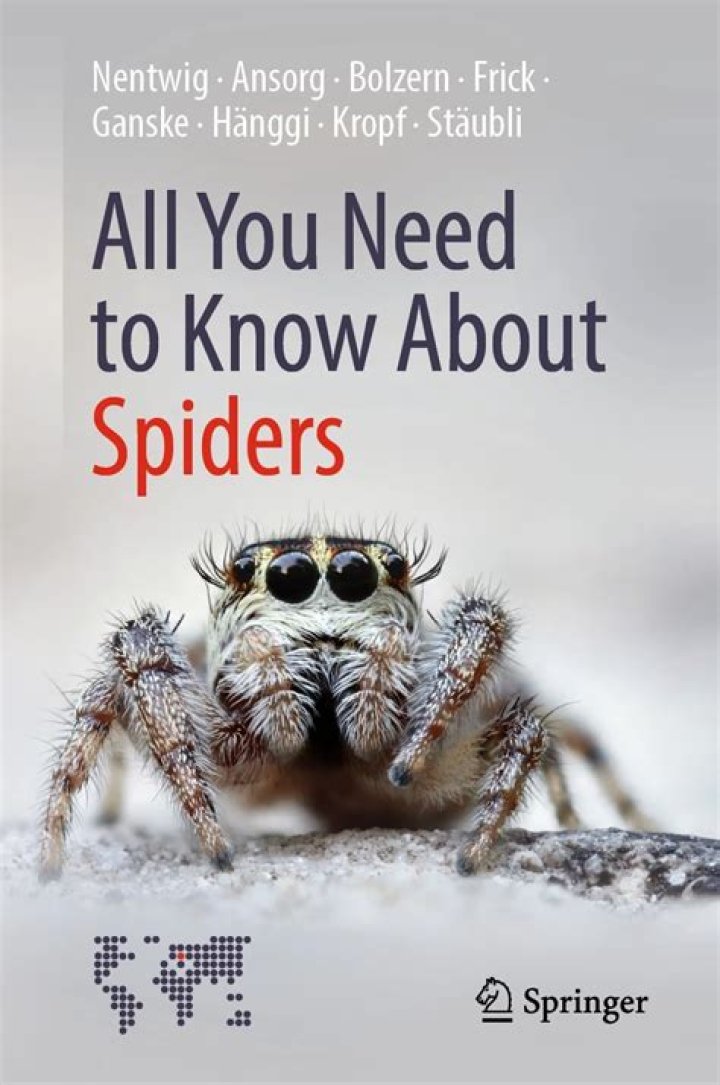
In our everyday lives, the term wall fly is metaphorically used to describe a person who is present yet unnoticed, akin to the insect that quietly sits on walls, observing without drawing attention. This idea has permeated cultural narratives, where people are often encouraged to be like a wall fly—observant and perceptive, without disrupting the environment. It allows individuals to gather insights and understand the dynamics of a situation without being directly involved. The ecosystem of a wall fly extends beyond the literal insect. It encompasses various dimensions, including its biological characteristics, behavioral patterns, and its symbolic representation in human society. By delving into these aspects, we can gain a comprehensive understanding of the term and its relevance. This article aims to explore the multifaceted nature of wall fly, providing readers with a detailed insight into its biological, cultural, and metaphorical significance. **Table of Contents** 1. An Introduction to Wall Fly 2. Biological Characteristics of Wall Fly 3. Behavioral Patterns and Habitats 4. Wall Fly in Popular Culture 5. The Symbolism of Wall Fly in Literature 6. Psychological Interpretations of Being a Wall Fly 7. The Role of Wall Fly in Ecosystems 8. Wall Fly and Human Interaction 9. Wall Fly in Art and Media 10. Conservation Efforts for Wall Fly 11. Wall Fly Myths and Misconceptions 12. Wall Fly: A Metaphor in Social Settings 13. Technological Advances in Studying Wall Fly 14. Wall Fly in Educational Contexts 15. Future Perspectives on Wall Fly
An Introduction to Wall Fly
Wall fly, as a term, encompasses more than just the insect we might find perched on a wall. It's a concept that has woven itself into the fabric of various disciplines and societal narratives. This introduction aims to provide a foundational understanding of what wall fly represents, both in the natural world and as a metaphorical entity. By exploring its origins and how it has been perceived across different contexts, we can appreciate the depth and breadth of its significance.
In biology, the wall fly is a member of the Diptera order, which includes flies that are commonly found in domestic and natural environments. Their adaptability to different habitats has made them a ubiquitous presence in human life. But beyond their biological presence, wall flies also serve as a metaphor for individuals who prefer to observe rather than participate actively. This dual role as both an insect and a symbol offers intriguing avenues for exploration.
Understanding the wall fly requires us to look at its characteristics, behaviors, and the environments it inhabits. By doing so, we can appreciate not only its role in the ecosystem but also how it has come to represent certain human behaviors and societal roles. This exploration will delve into these aspects, offering a comprehensive overview of wall fly from multiple perspectives.
Biological Characteristics of Wall Fly
The biological characteristics of a wall fly are fascinating in their own right. These insects belong to the order Diptera, which is characterized by having a single pair of wings. They are small, agile, and can be found in a variety of environments, from urban areas to more natural settings. Their adaptability and resilience have allowed them to thrive in diverse conditions, making them a common sight around the world.
Wall flies are generally small, with a body length ranging from 2 to 7 millimeters, depending on the species. They have compound eyes that provide them with a wide field of vision, allowing them to detect movement and potential threats easily. Their antennae are short, aiding in navigation and sensory perception. The wings of a wall fly are translucent and veined, providing the necessary lift and maneuverability needed for their quick, darting flight patterns.
One of the most intriguing biological aspects of wall flies is their life cycle. They undergo complete metamorphosis, which includes four distinct stages: egg, larva, pupa, and adult. This transformation allows them to exploit different ecological niches and resources at each stage of their development. The duration of each stage can vary depending on environmental conditions, such as temperature and availability of food sources. Understanding these biological characteristics provides insight into their adaptability and ecological roles.
Behavioral Patterns and Habitats
Wall flies exhibit a range of behavioral patterns that are crucial for their survival and reproduction. These behaviors are influenced by their environment, availability of resources, and interactions with other organisms. One of the most notable behaviors of wall flies is their tendency to remain on flat surfaces, such as walls, ceilings, and windows. This behavior not only provides them with a vantage point to observe their surroundings but also reduces the risk of predation.
The habitats of wall flies are diverse, reflecting their adaptability to different environmental conditions. They can be found in urban areas, forests, grasslands, and even near bodies of water. Their presence in human dwellings is often attributed to their search for food sources, such as decaying organic matter, which is abundant in such environments. Wall flies are also known to be attracted to light, which is why they are often seen around lamps and windows at night.
In terms of social behavior, wall flies are generally solitary insects. They do not form colonies or exhibit complex social structures like bees or ants. However, their interactions with other species, including humans, are significant. They play a role in the pollination of certain plants and serve as a food source for various predators, contributing to the ecological balance. By understanding their behavioral patterns and habitats, we gain a deeper appreciation for their role in nature.
Wall Fly in Popular Culture
The concept of wall fly has made its way into popular culture, often serving as a metaphor for someone who is unobtrusive yet observant. This idea has been depicted in various forms of media, including literature, films, and television shows. The wall fly is often portrayed as a character who quietly observes the unfolding events, gathering information without drawing attention to themselves.
In literature, the wall fly archetype is commonly used to explore themes of invisibility, anonymity, and the power of observation. Characters who embody this archetype are often depicted as introverted and reflective, using their keen observational skills to understand the dynamics of their surroundings. This portrayal resonates with audiences, as it reflects a universal desire to blend in and observe without being noticed.
In films and television, the wall fly character is often used to add depth and complexity to the narrative. These characters provide a unique perspective on the story, offering insights that might otherwise go unnoticed. Their ability to remain unnoticed allows them to witness events unfold from a neutral standpoint, providing valuable context and understanding to the audience. The wall fly has thus become a powerful symbol in popular culture, representing the art of observation and the strength found in silence.
The Symbolism of Wall Fly in Literature
In literature, wall flies are emblematic of the unobtrusive observer—a silent witness to the unfolding drama of human life. Writers often use the wall fly to symbolize characters who are present but unseen, offering a unique perspective on the events around them. These characters, much like the insect itself, are adept at observing without interfering, gathering insights and understanding the subtleties of human interactions.
The wall fly's symbolism extends to themes of invisibility and anonymity. Characters embodying this archetype often grapple with feelings of being overlooked or undervalued, yet they possess a deep understanding of their environment. This duality makes them powerful literary devices, as they can reveal hidden truths and provide a more nuanced view of the narrative.
Moreover, the wall fly serves as a metaphor for introspection and self-awareness. Characters who take on this role often reflect on their own experiences and emotions, using their observations to gain insight into their own lives. This introspective nature makes the wall fly a compelling symbol in literature, representing the quiet strength found in observation and reflection.
Psychological Interpretations of Being a Wall Fly
From a psychological perspective, the concept of being a wall fly can be interpreted as a coping mechanism for dealing with social anxiety or introversion. Individuals who identify with the wall fly archetype often prefer to observe rather than participate actively in social interactions. This behavior allows them to gather information and understand social dynamics without feeling overwhelmed or exposed.
The wall fly's tendency to remain unnoticed can also be seen as a form of self-preservation. By blending into their surroundings, individuals can avoid drawing attention to themselves and minimize the risk of negative social interactions. This behavior is particularly common among those who are shy or introverted, as it allows them to navigate social situations without feeling pressured to engage directly.
Moreover, the wall fly's observational nature can be a valuable asset in various contexts. By remaining silent and attentive, individuals can gain a deeper understanding of their environment and the people around them. This ability to observe and analyze can be beneficial in personal and professional settings, as it allows individuals to make informed decisions and build meaningful relationships.
The Role of Wall Fly in Ecosystems
Wall flies play a crucial role in ecosystems, contributing to the balance and health of their environments. As scavengers, they help break down decaying organic matter, recycling nutrients and returning them to the soil. This process is essential for maintaining the fertility of the ecosystem and supporting the growth of plants and other organisms.
In addition to their role as decomposers, wall flies also serve as a food source for various predators, including birds, reptiles, and amphibians. Their presence in the food chain helps sustain these populations, contributing to the overall biodiversity of the ecosystem. By providing a source of nutrition for other species, wall flies play a vital role in maintaining ecological balance.
Furthermore, wall flies can contribute to pollination, although they are not as effective as bees or butterflies. Some species of wall flies are known to visit flowers in search of nectar, inadvertently transferring pollen in the process. While their contribution to pollination may be limited, it still adds to the overall health and diversity of the ecosystem. Understanding the role of wall flies in ecosystems highlights their importance in maintaining environmental balance and biodiversity.
Wall Fly and Human Interaction
Human interaction with wall flies is often characterized by a mix of fascination and annoyance. While their presence can be seen as a nuisance in domestic environments, wall flies play a significant role in natural ecosystems and can offer valuable insights into ecological health and biodiversity.
In urban settings, wall flies are often seen as pests due to their association with decaying organic matter and potential for spreading diseases. However, they also serve as indicators of environmental conditions, as their presence can reveal underlying issues such as poor sanitation or waste management. By understanding the factors that attract wall flies to human environments, we can take steps to mitigate their presence and improve overall hygiene.
Despite their reputation as pests, wall flies offer valuable opportunities for scientific research. Their adaptability and resilience make them an ideal subject for studying the effects of environmental changes and human activities on insect populations. By examining wall flies and their interactions with human environments, researchers can gain insights into broader ecological patterns and trends. This knowledge can inform conservation efforts and promote sustainable practices in urban and rural settings.
Wall Fly in Art and Media
The wall fly has also made its mark in the world of art and media, serving as a symbol of observation and introspection. Artists and filmmakers often use the wall fly as a metaphor for the unseen observer, capturing the essence of individuals who quietly watch from the sidelines. This portrayal resonates with audiences, as it reflects the universal experience of feeling unnoticed or overlooked.
In visual art, the wall fly is often depicted as a solitary figure, perched on a wall or ceiling, observing the world below. This imagery captures the essence of the wall fly as a silent witness, offering a unique perspective on the events and interactions around them. The use of the wall fly in art serves as a reminder of the power of observation and the insights that can be gained from quietly watching and reflecting.
In media, the wall fly archetype is often used to explore themes of invisibility and anonymity. Characters who embody this role are typically portrayed as introverted and reflective, using their keen observational skills to navigate complex social dynamics. This portrayal adds depth and complexity to narratives, offering audiences a different perspective on the story and its characters. The wall fly's presence in art and media highlights the significance of observation and introspection in understanding the world around us.
Conservation Efforts for Wall Fly
While wall flies are often seen as pests in urban environments, they play a crucial role in maintaining ecological balance and biodiversity. As such, conservation efforts are essential to protect their populations and ensure their continued contribution to the environment.
Conservation efforts for wall flies often focus on preserving their natural habitats and reducing the impact of human activities on their populations. This includes initiatives to improve waste management and sanitation practices, as well as efforts to protect natural ecosystems from pollution and habitat destruction. By addressing the factors that threaten wall fly populations, we can help maintain their ecological roles and support overall biodiversity.
In addition to habitat conservation, research and education efforts are crucial for promoting awareness and understanding of wall flies. By studying their behaviors, ecological roles, and interactions with human environments, researchers can develop strategies to mitigate their presence in urban settings while preserving their populations in natural ecosystems. Education initiatives can also help raise awareness of the importance of wall flies and their contributions to environmental health and balance.
Wall Fly Myths and Misconceptions
Despite their ecological significance, wall flies are often misunderstood and surrounded by myths and misconceptions. These misconceptions can lead to negative perceptions and unwarranted fear or annoyance towards these insects.
One common misconception is that wall flies are dirty or disease-ridden. While they are associated with decaying organic matter, wall flies play a crucial role in breaking down waste and recycling nutrients. Their presence in human environments is often a sign of underlying sanitation issues, rather than a direct threat to health. By addressing these issues, we can reduce their presence and improve overall hygiene.
Another misconception is that wall flies are destructive or harmful to property. In reality, wall flies are not known to cause significant damage to structures or belongings. Their presence is more of a nuisance than a threat, and they can be managed through proper sanitation and waste management practices. By dispelling these myths and misconceptions, we can foster a better understanding and appreciation for the ecological roles of wall flies.
Wall Fly: A Metaphor in Social Settings
The concept of being a wall fly has been embraced as a metaphor in social settings, representing the art of observation and the ability to blend into one's surroundings. In social contexts, individuals who identify with the wall fly archetype are often seen as unobtrusive yet perceptive, capable of gathering insights without drawing attention to themselves.
In social settings, being a wall fly can be advantageous, as it allows individuals to observe and understand the dynamics of a group without feeling pressured to participate actively. This ability to remain unnoticed can be particularly valuable in situations where social interactions are complex or challenging, as it allows individuals to navigate these dynamics with greater ease and confidence.
Moreover, the wall fly's observational nature can be a powerful tool for building relationships and understanding others. By quietly observing and listening, individuals can gain a deeper understanding of the people around them, fostering empathy and connection. This ability to observe and reflect is a valuable asset in both personal and professional settings, promoting effective communication and collaboration.
Technological Advances in Studying Wall Fly
Advancements in technology have revolutionized the study of wall flies, offering new insights into their behaviors, ecology, and interactions with human environments. These technological innovations have enhanced our understanding of wall flies and their ecological roles, paving the way for more effective conservation and management strategies.
One significant technological advancement is the use of high-resolution imaging and microscopy to study the anatomy and physiology of wall flies. These tools allow researchers to examine the intricate structures of wall flies in detail, providing valuable insights into their biology and adaptations. By understanding the physical characteristics of wall flies, researchers can gain a deeper understanding of their ecological roles and interactions with other species.
Additionally, advancements in genetic analysis have enabled researchers to study the genetic makeup of wall flies, shedding light on their evolutionary history and population dynamics. These genetic studies can provide valuable information on the diversity and distribution of wall fly populations, informing conservation efforts and strategies to protect their habitats.
Wall Fly in Educational Contexts
The study of wall flies has found its place in educational contexts, offering valuable opportunities for learning and exploration. These insects serve as a fascinating subject for students and educators, providing insights into biology, ecology, and environmental science.
In educational settings, wall flies can be used to teach students about the principles of biology and ecology. Their life cycle, behaviors, and ecological roles offer a rich source of information for students to explore and understand. By studying wall flies, students can gain a deeper appreciation for the complexity and diversity of the natural world, fostering a sense of curiosity and wonder.
Moreover, wall flies can serve as a valuable tool for teaching students about the importance of conservation and environmental stewardship. By examining the factors that impact wall fly populations and their habitats, students can learn about the challenges facing ecosystems and the importance of protecting biodiversity. These lessons can inspire students to become advocates for environmental conservation and sustainable practices, promoting a more sustainable future.
Future Perspectives on Wall Fly
As our understanding of wall flies continues to evolve, new perspectives and opportunities for research and conservation emerge. The future of wall fly studies holds promise for advancing our knowledge of these insects and their ecological roles, as well as informing conservation efforts to protect their populations and habitats.
Future research on wall flies may focus on understanding the impacts of climate change and human activities on their populations and habitats. By examining the effects of environmental changes on wall fly behavior and distribution, researchers can gain insights into the resilience and adaptability of these insects, as well as the broader implications for ecosystems and biodiversity.
Additionally, future conservation efforts may focus on developing innovative strategies to protect wall fly populations and their habitats. This may include initiatives to improve waste management and sanitation practices, as well as efforts to restore and protect natural ecosystems. By prioritizing the conservation of wall flies and their habitats, we can help maintain their ecological roles and support overall environmental health and balance.
Frequently Asked Questions
What is the significance of the term "wall fly"?
The term "wall fly" signifies both the literal insect and a metaphorical concept. Biologically, it refers to flies often seen on walls, but metaphorically, it represents individuals who are observant and unobtrusive, blending into their surroundings.
Why are wall flies important in ecosystems?
Wall flies are important as they act as decomposers, breaking down organic matter and recycling nutrients back into the ecosystem. They also serve as a food source for various predators, contributing to the biodiversity and ecological balance.
How does the concept of a wall fly relate to human behavior?
In human behavior, the concept of a wall fly is used to describe individuals who prefer to observe rather than engage actively in social interactions. It highlights the power of observation and the insights gained from being an unobtrusive presence in social settings.
What are some common misconceptions about wall flies?
Common misconceptions include the belief that wall flies are dirty or disease-ridden and that they cause property damage. In reality, they are more of a nuisance than a threat and play important ecological roles as decomposers and food sources for other species.
How can we manage wall fly populations in urban settings?
Managing wall fly populations involves improving waste management and sanitation practices, reducing the availability of food sources that attract them. By addressing these factors, we can minimize their presence in urban environments.
What role do wall flies play in education?
Wall flies serve as a valuable educational tool, offering insights into biology, ecology, and environmental science. They provide opportunities for students to learn about the complexity of ecosystems and the importance of conservation and biodiversity.
Conclusion
The wall fly, whether considered as an insect or a metaphor, encompasses a wide array of significances across different contexts. From its biological characteristics and ecological roles to its symbolic representation in culture and psychology, the wall fly offers a rich tapestry of insights that contribute to our understanding of both the natural world and human society. As we continue to explore and study the wall fly, its presence serves as a reminder of the importance of observation, adaptability, and the interconnectedness of life. By appreciating the multifaceted nature of the wall fly, we can gain valuable insights into the intricacies of ecosystems and the dynamics of human interactions.