Comprehensive Insights Into the PCC Army: A Definitive Guide
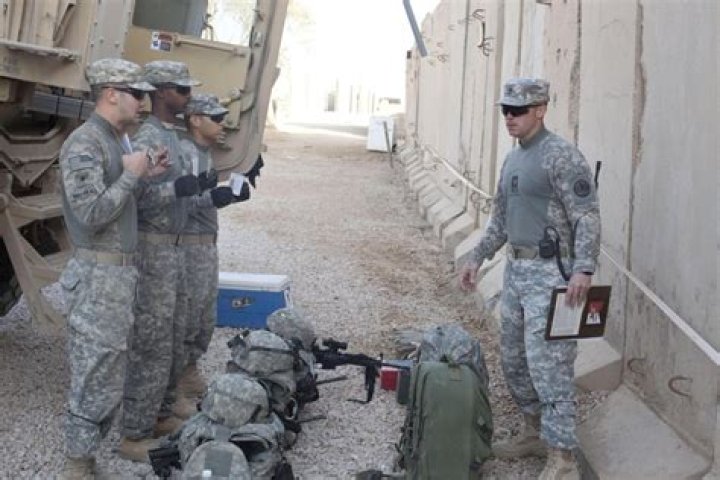
Welcome to the definitive guide on the PCC Army, a term that encompasses a wide array of roles and responsibilities within the realm of military and civilian operations. The PCC, or Pre-Combat Check, is a critical component of army procedures, ensuring that soldiers are fully prepared for their missions. The term "PCC Army" is often used to describe the collective efforts and processes involved in these checks, which include everything from equipment inspections to troop readiness assessments. With a focus on organization, discipline, and efficiency, the PCC Army plays a pivotal role in maintaining operational effectiveness and mission success.
The PCC Army represents a fundamental aspect of military operations, serving as a backbone for ensuring that all personnel and equipment are mission-ready. This process involves meticulous planning and execution, with detailed attention given to every aspect of preparation. From the individual soldier's equipment to the strategic planning of entire units, the PCC Army ensures that every detail is accounted for and every contingency is planned for. This level of preparedness not only enhances the effectiveness of military operations but also significantly reduces risks and improves the overall safety of troops.
As we delve deeper into the intricacies of the PCC Army, this article aims to provide a comprehensive overview of its key components, processes, and the vital role it plays in modern military operations. We will explore the history and evolution of the PCC Army, examine its current structure and functions, and highlight the importance of PCC protocols in ensuring operational success. Whether you are a military professional seeking to enhance your knowledge or a civilian interested in understanding military procedures, this guide offers valuable insights into the essential workings of the PCC Army.
History and Evolution of the PCC Army
The concept of the PCC Army has its roots in traditional military practices that date back centuries. Initially, these procedures were informal and varied significantly across different military units and nations. However, as warfare became more complex and technologically advanced, the need for standardized pre-combat checks became apparent. The evolution of the PCC Army is a testament to the military's ongoing commitment to preparedness and efficiency.
During the early 20th century, as global conflicts intensified, military leaders recognized the importance of having a systematic approach to pre-combat checks. This led to the development of formalized PCC protocols, which were designed to ensure that all soldiers and equipment were thoroughly prepared before engaging in combat. Over time, these protocols have evolved to incorporate new technologies and methodologies, reflecting the changing nature of warfare and the increasing complexity of military operations.
One of the key milestones in the evolution of the PCC Army was the introduction of standardized checklists and procedures during World War II. These checklists provided a clear framework for conducting pre-combat checks, ensuring that all necessary steps were completed and reducing the likelihood of errors or oversights. In the decades that followed, the PCC Army continued to refine its protocols, incorporating lessons learned from various conflicts and adapting to the ever-changing landscape of military operations.
Today, the PCC Army is a highly organized and efficient system that plays a crucial role in modern military operations. By ensuring that soldiers are fully prepared and equipped for their missions, the PCC Army helps to maximize operational effectiveness and minimize risks. This ongoing commitment to excellence and preparedness is a core tenet of the PCC Army, and it continues to drive its evolution and development.
Structure and Organization of the PCC Army
The structure and organization of the PCC Army are designed to facilitate efficient and effective pre-combat checks across all levels of military operations. This structure is characterized by a clear chain of command, well-defined roles and responsibilities, and a systematic approach to conducting pre-combat checks.
At the heart of the PCC Army's organization is the chain of command, which ensures that all pre-combat checks are conducted in a coordinated and orderly manner. This chain of command is typically structured in a hierarchical manner, with higher-ranking officers overseeing the implementation of PCC protocols and ensuring that all necessary steps are completed. This hierarchical structure helps to maintain discipline and accountability within the PCC Army, ensuring that all personnel adhere to established protocols and procedures.
Within this structure, the PCC Army is composed of several key roles and responsibilities, each of which plays a vital role in the successful execution of pre-combat checks. These roles include PCC coordinators, who are responsible for overseeing the entire pre-combat check process; PCC inspectors, who conduct detailed inspections of equipment and personnel; and PCC trainers, who provide instruction and guidance to soldiers on how to conduct effective pre-combat checks.
The organization of the PCC Army is also characterized by its systematic approach to conducting pre-combat checks. This approach involves the use of standardized checklists and procedures, which help to ensure that all necessary steps are completed and that no detail is overlooked. By adhering to these standardized protocols, the PCC Army is able to maintain consistency and reliability in its pre-combat checks, ultimately contributing to the overall success of military operations.
Key Functions and Responsibilities
The key functions and responsibilities of the PCC Army revolve around ensuring that all personnel and equipment are fully prepared for combat operations. These functions encompass a wide range of activities, from conducting detailed inspections of equipment to verifying troop readiness and providing training and guidance to soldiers.
One of the primary functions of the PCC Army is to conduct thorough inspections of all equipment and supplies that will be used in combat. This includes checking weapons, vehicles, communication devices, and other essential gear to ensure that they are in proper working order and free of defects. By conducting these inspections, the PCC Army helps to identify and address any potential issues before they can impact the success of a mission.
In addition to equipment inspections, the PCC Army is also responsible for verifying troop readiness. This involves assessing the physical and mental preparedness of soldiers, ensuring that they are fully equipped with the necessary skills and knowledge to perform their duties effectively. This function is critical to the success of military operations, as it helps to ensure that all personnel are capable of carrying out their assigned tasks and responsibilities.
The PCC Army also plays a key role in providing training and guidance to soldiers on how to conduct effective pre-combat checks. This training is designed to equip soldiers with the knowledge and skills needed to identify potential issues and address them in a timely manner. By providing this training, the PCC Army helps to enhance the overall effectiveness of pre-combat checks and ensure that all personnel are fully prepared for their missions.
Importance of PCC Protocols
The importance of PCC protocols cannot be overstated, as they play a critical role in ensuring the success and safety of military operations. These protocols provide a systematic framework for conducting pre-combat checks, helping to identify and address potential issues before they can impact the success of a mission.
One of the primary benefits of PCC protocols is that they help to ensure consistency and reliability in pre-combat checks. By providing a standardized framework for conducting these checks, PCC protocols help to minimize the risk of errors or oversights, ensuring that all necessary steps are completed and that no detail is overlooked. This consistency is essential to the success of military operations, as it helps to ensure that all personnel and equipment are fully prepared for combat.
In addition to ensuring consistency, PCC protocols also help to enhance the overall effectiveness of pre-combat checks. By providing a clear framework for conducting these checks, PCC protocols help to ensure that all potential issues are identified and addressed in a timely manner. This proactive approach helps to minimize the risk of equipment failures or other issues that could impact the success of a mission.
Finally, PCC protocols also play a critical role in ensuring the safety of military personnel. By conducting thorough pre-combat checks, the PCC Army helps to identify and address any potential safety hazards before they can impact the well-being of soldiers. This focus on safety is a core tenet of the PCC Army, and it underscores the importance of adhering to established protocols and procedures.
Training and Development in the PCC Army
Training and development are essential components of the PCC Army, as they help to ensure that all personnel are fully equipped with the skills and knowledge needed to conduct effective pre-combat checks. This training encompasses a wide range of activities, from classroom instruction to hands-on exercises and simulations.
One of the primary goals of training in the PCC Army is to provide soldiers with a comprehensive understanding of pre-combat check protocols and procedures. This training is designed to equip soldiers with the knowledge and skills needed to identify potential issues and address them in a timely manner. By providing this training, the PCC Army helps to enhance the overall effectiveness of pre-combat checks and ensure that all personnel are fully prepared for their missions.
In addition to classroom instruction, the PCC Army also provides soldiers with hands-on training and exercises. These exercises are designed to simulate real-world scenarios, allowing soldiers to apply their knowledge and skills in a controlled environment. This hands-on training is critical to the success of the PCC Army, as it helps to ensure that soldiers are fully prepared to conduct pre-combat checks in a variety of situations and conditions.
The PCC Army also places a strong emphasis on continuous development and improvement. This ongoing commitment to training and development helps to ensure that all personnel are equipped with the latest knowledge and techniques, reflecting the evolving nature of military operations and the challenges they present.
Technology and Innovation
Technology and innovation play a critical role in the operations of the PCC Army, helping to enhance the overall effectiveness and efficiency of pre-combat checks. By incorporating the latest technologies and methodologies, the PCC Army is able to streamline its processes and improve its ability to identify and address potential issues.
One of the key areas where technology has had a significant impact on the PCC Army is in the area of equipment inspections. Advanced diagnostic tools and technologies, such as thermal imaging cameras and electronic testing devices, allow the PCC Army to conduct more thorough and accurate inspections of equipment and supplies. This technology helps to identify potential issues before they can impact the success of a mission, ultimately enhancing the overall effectiveness of pre-combat checks.
In addition to equipment inspections, technology also plays a critical role in training and development within the PCC Army. Virtual reality (VR) and augmented reality (AR) technologies are increasingly being used to provide soldiers with realistic training simulations, allowing them to practice and refine their skills in a controlled environment. These technologies help to enhance the overall effectiveness of training and development programs, ensuring that all personnel are fully prepared for their missions.
Finally, technology also plays a critical role in the overall communication and coordination efforts within the PCC Army. Advanced communication systems and platforms allow for more efficient and effective communication between personnel, ensuring that all necessary information is shared and that all personnel are on the same page. This enhanced communication helps to improve the overall coordination and effectiveness of pre-combat checks, ultimately contributing to the success of military operations.
Challenges and Solutions
Despite its many successes, the PCC Army faces a number of challenges in its efforts to ensure the success and safety of military operations. These challenges encompass a wide range of issues, from logistical and operational challenges to technological and personnel challenges.
One of the primary challenges facing the PCC Army is the logistical complexity of conducting pre-combat checks across large and diverse military operations. Coordinating and conducting pre-combat checks across multiple units and locations can be a complex and time-consuming process, requiring careful planning and execution. To address this challenge, the PCC Army has implemented a number of solutions, including the use of advanced logistics and supply chain management systems to streamline and optimize the pre-combat check process.
In addition to logistical challenges, the PCC Army also faces a number of technological challenges. As technology continues to evolve, the PCC Army must constantly adapt and update its equipment and procedures to ensure that they remain effective and relevant. To address this challenge, the PCC Army has implemented a number of solutions, including the use of advanced training and development programs to ensure that all personnel are equipped with the latest knowledge and techniques.
Finally, the PCC Army also faces a number of personnel challenges, including the need to recruit and retain highly skilled and motivated personnel. To address this challenge, the PCC Army has implemented a number of solutions, including offering competitive compensation and benefits packages and providing opportunities for career advancement and professional development.
Case Studies and Examples
To better understand the impact and effectiveness of the PCC Army, it is helpful to examine a number of case studies and examples from real-world military operations. These case studies provide valuable insights into the challenges and successes of the PCC Army, and they highlight the importance of pre-combat checks in ensuring the success and safety of military operations.
One notable example of the PCC Army's effectiveness can be seen in its role in the success of Operation Desert Storm. During this operation, the PCC Army played a critical role in ensuring that all personnel and equipment were fully prepared for combat, helping to ensure the success of the mission and the safety of military personnel. By conducting thorough pre-combat checks, the PCC Army was able to identify and address potential issues before they could impact the success of the mission, ultimately contributing to the overall success of the operation.
Another example of the PCC Army's effectiveness can be seen in its role in the success of Operation Enduring Freedom. During this operation, the PCC Army played a critical role in ensuring that all personnel and equipment were fully prepared for combat, helping to ensure the success of the mission and the safety of military personnel. By conducting thorough pre-combat checks, the PCC Army was able to identify and address potential issues before they could impact the success of the mission, ultimately contributing to the overall success of the operation.
These case studies and examples highlight the critical role that the PCC Army plays in ensuring the success and safety of military operations. By conducting thorough pre-combat checks and addressing potential issues in a timely manner, the PCC Army helps to maximize operational effectiveness and minimize risks, ultimately contributing to the overall success of military operations.
PCC Army: International Perspectives
The principles and practices of the PCC Army are not limited to any one nation, as militaries around the world have adopted similar protocols to ensure readiness and success. International perspectives on the PCC Army offer valuable insights into how different countries implement and adapt these protocols to suit their specific needs and challenges.
In the United Kingdom, for example, the concept of pre-combat checks is integrated into the broader framework of operational readiness. The British Army places a strong emphasis on discipline and organization, with PCC protocols being a vital part of their operational procedures. By ensuring that soldiers and equipment are meticulously checked, the British Army maintains a high level of preparedness and effectiveness in its operations.
Similarly, the Australian Defence Force (ADF) incorporates PCC protocols as part of its comprehensive approach to military readiness. The ADF focuses on ensuring that all personnel are well-trained and that equipment is thoroughly inspected before deployment. This approach not only enhances the effectiveness of their operations but also ensures the safety and well-being of their personnel.
In contrast, the Russian military has developed its own unique approach to PCC protocols, emphasizing rapid mobilization and flexibility. The Russian military's PCC procedures are designed to ensure that units can be quickly deployed and that all necessary checks are conducted efficiently. This focus on speed and efficiency reflects the strategic priorities of the Russian military, which often require swift and decisive action.
These international perspectives highlight the adaptability and importance of PCC protocols in military operations around the world. By tailoring these protocols to suit their specific needs and challenges, militaries can enhance their operational effectiveness and ensure the success of their missions.
Future of the PCC Army
As we look to the future, the PCC Army is poised to continue evolving and adapting to meet the challenges of modern warfare. With advancements in technology and changes in the nature of military operations, the PCC Army must remain agile and forward-thinking to maintain its effectiveness and relevance.
One of the key areas of focus for the future of the PCC Army is the integration of advanced technologies. As technology continues to evolve, the PCC Army will likely incorporate new tools and innovations to enhance its pre-combat checks. This could include the use of artificial intelligence (AI) and machine learning to improve equipment inspections and predictive maintenance, as well as the adoption of advanced communication systems to enhance coordination and information sharing.
Another important aspect of the future of the PCC Army is the continued emphasis on training and development. As military operations become more complex and demanding, the PCC Army will need to ensure that all personnel are equipped with the skills and knowledge needed to conduct effective pre-combat checks. This will likely involve the use of new training methodologies, such as virtual reality (VR) and augmented reality (AR), to provide realistic and immersive training experiences.
Finally, the future of the PCC Army will also involve a continued focus on international collaboration and cooperation. As global security challenges become more interconnected, the PCC Army will need to work closely with allied and partner nations to develop and implement effective PCC protocols. This collaboration will help to ensure that all militaries are able to effectively conduct pre-combat checks and enhance their operational effectiveness.
Impact on Military Operations
The impact of the PCC Army on military operations is profound, as it plays a critical role in ensuring the success and safety of missions. By conducting thorough pre-combat checks, the PCC Army helps to maximize operational effectiveness and minimize risks, ultimately contributing to the overall success of military operations.
One of the key impacts of the PCC Army on military operations is its ability to enhance readiness and preparedness. By ensuring that all personnel and equipment are thoroughly checked and verified before deployment, the PCC Army helps to ensure that all necessary steps are completed and that no detail is overlooked. This readiness is essential to the success of military operations, as it helps to ensure that all personnel are fully prepared to carry out their assigned tasks and responsibilities.
Another important impact of the PCC Army on military operations is its ability to reduce risks and enhance safety. By conducting thorough inspections and addressing potential issues in a timely manner, the PCC Army helps to minimize the risk of equipment failures or other issues that could impact the success of a mission. This proactive approach to risk management is a core tenet of the PCC Army, and it underscores the importance of adhering to established protocols and procedures.
Finally, the PCC Army also plays a critical role in enhancing the overall effectiveness of military operations. By ensuring that all personnel and equipment are fully prepared and mission-ready, the PCC Army helps to maximize operational effectiveness and ensure the success of missions. This focus on effectiveness and efficiency is a core tenet of the PCC Army, and it continues to drive its evolution and development.
PCC Army and Civilian Applications
While the PCC Army is primarily associated with military operations, its principles and practices can also be applied to civilian contexts. The systematic and organized approach to readiness and preparation that characterizes the PCC Army can be beneficial in a variety of civilian applications, from emergency response to corporate operations.
In the realm of emergency response, for example, the principles of the PCC Army can be applied to ensure that all personnel and equipment are fully prepared for deployment. By conducting thorough checks and verifications before responding to an emergency, organizations can enhance their readiness and ensure that they are able to effectively respond to a wide range of situations.
Similarly, the principles of the PCC Army can be applied to corporate operations, where preparation and readiness are critical to success. By conducting thorough checks and verifications before launching a new product or entering a new market, companies can enhance their readiness and ensure that they are well-positioned to succeed.
In both of these contexts, the principles of the PCC Army can help to enhance readiness and preparedness, ultimately contributing to the success of operations. By adopting the organized and systematic approach to preparation that characterizes the PCC Army, organizations can enhance their effectiveness and efficiency, ultimately contributing to their overall success.
Frequently Asked Questions
1. What is the primary purpose of the PCC Army?
The primary purpose of the PCC Army is to conduct thorough pre-combat checks to ensure that all personnel and equipment are fully prepared for military operations. This involves verifying troop readiness, inspecting equipment, and providing training to enhance preparedness.
2. How does the PCC Army enhance military operations?
The PCC Army enhances military operations by ensuring that all personnel and equipment are mission-ready, thereby maximizing operational effectiveness and minimizing risks. This proactive approach to preparation helps to ensure the success and safety of military missions.
3. What role does technology play in the PCC Army?
Technology plays a critical role in the PCC Army by enhancing the effectiveness and efficiency of pre-combat checks. Advanced diagnostic tools, communication systems, and training technologies such as VR and AR are used to improve inspections, coordination, and training.
4. How do international militaries implement PCC protocols?
International militaries implement PCC protocols by adapting them to their specific needs and challenges. While the core principles of PCC protocols remain consistent, different countries may emphasize different aspects, such as speed, flexibility, or comprehensive readiness.
5. Can PCC Army principles be applied to civilian contexts?
Yes, the principles of the PCC Army can be applied to civilian contexts, such as emergency response and corporate operations. By adopting a systematic and organized approach to preparation, civilian organizations can enhance their readiness and effectiveness.
6. What challenges does the PCC Army face?
The PCC Army faces challenges such as logistical complexity, technological advancements, and personnel recruitment and retention. Solutions include advanced logistics systems, continuous training and development, and competitive compensation packages.
Conclusion
In conclusion, the PCC Army is a vital component of modern military operations, playing a critical role in ensuring readiness, effectiveness, and safety. By conducting thorough pre-combat checks and adhering to established protocols, the PCC Army enhances the overall success of military missions and reduces risks. As the PCC Army continues to evolve and adapt to meet the challenges of modern warfare, its principles and practices will remain essential to the success of military operations around the world. Whether applied in military or civilian contexts, the organized and systematic approach of the PCC Army provides valuable insights into the importance of preparation and readiness in achieving success.