Eazy-E: The Life and Times of a Hip-Hop Pioneer
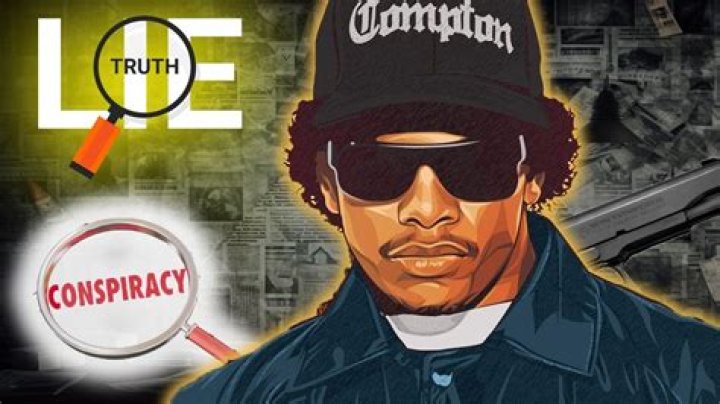
Eazy-E, born Eric Lynn Wright, remains an iconic figure in the world of hip-hop. Renowned for his groundbreaking contributions to the genre, his legacy continues to influence artists and fans alike. Despite his untimely death, Eazy-E's impact on music and culture endures, prompting many to reflect on his life and achievements. The question of "how old was Eazy-E when he passed" is often asked, highlighting the curiosity surrounding his brief yet impactful career. To comprehend the full spectrum of Eazy-E's life and legacy, it's essential to explore his biography, artistic journey, and personal experiences that shaped his path.
Eric Wright, better known by his stage name Eazy-E, was a pivotal figure in the emergence of gangsta rap in the late 1980s and early 1990s. As a founding member of N.W.A (Niggaz Wit Attitudes), Eazy-E played a crucial role in bringing the raw, unfiltered stories of urban life in Los Angeles to the forefront of the music scene. His distinct voice and compelling storytelling resonated with audiences, making him a beloved and controversial figure in equal measure. Understanding how old Eazy-E was when he passed helps to contextualize the brevity of his life and the lasting impact of his work.
The legacy of Eazy-E is not solely defined by his music but also by his entrepreneurial spirit and dedication to elevating the voices of marginalized communities. His contributions to the hip-hop industry were significant, and his influence extended beyond music into broader cultural and social realms. By examining the life of Eazy-E, including the age at which he passed, we gain insight into the challenges he faced and the triumphs he achieved. This exploration sheds light on why Eazy-E remains an enduring figure in the annals of music history.
Table of Contents
- Biography of Eazy-E
- Early Life and Upbringing
- The Musical Journey Begins
- Formation of N.W.A and Rise to Fame
- Eazy-E's Solo Career
- Business Ventures and Entrepreneurship
- Personal Life and Relationships
- Final Years and Health Struggles
- How Old Was Eazy-E When He Passed?
- Legacy and Influence on Hip-Hop
- Cultural Impact and Social Contributions
- Influence on Modern Artists
- Frequently Asked Questions
- Conclusion
Biography of Eazy-E
Eric Lynn Wright, famously known as Eazy-E, was born on September 7, 1963, in Compton, California. He was a trailblazer in the realm of hip-hop and a significant cultural icon. Eazy-E's life story is steeped in both triumphs and challenges, reflecting the complexities of his environment and era. As a pivotal member of the gangsta rap movement, he brought a raw, unfiltered narrative to mainstream music, captivating audiences with his unique style and voice.
Eazy-E's journey began in a neighborhood that was rife with challenges, but it was also a fertile ground for creativity and expression. His early life experiences greatly influenced his music, providing a rich tapestry of stories that resonated with many. Through his work with N.W.A and as a solo artist, Eazy-E offered a voice to the voiceless, sharing the gritty realities of life in Compton and beyond.
| Category | Details |
|---|---|
| Full Name | Eric Lynn Wright |
| Date of Birth | September 7, 1963 |
| Place of Birth | Compton, California, USA |
| Stage Name | Eazy-E |
| Occupation | Rapper, Producer, Entrepreneur |
| Genres | Hip-Hop, Gangsta Rap |
| Years Active | 1986–1995 |
| Date of Death | March 26, 1995 |
Early Life and Upbringing
Growing up in Compton, California, Eazy-E faced numerous obstacles that shaped his worldview and music. The son of Richard and Kathie Wright, he was exposed to the harsh realities of urban life from a young age. Despite these challenges, Eazy-E was determined to make a name for himself and forge a path out of the difficulties that surrounded him.
Eazy-E's upbringing in Compton was characterized by a mixture of struggle and resilience. The community he grew up in was often marked by economic hardship and violence, but it was also a place of vibrant culture and creativity. This duality played a significant role in shaping Eazy-E's artistry, giving him a unique perspective that he would later bring to his music.
Education was not a primary focus for Eazy-E, as he dropped out of high school to pursue other ventures. However, this decision did not hinder his ambition. Instead, it fueled his drive to succeed in the music industry, where he saw an opportunity to share his story and make an impact. His early experiences in Compton would become the foundation for the powerful narratives he would later create in his music.
The Musical Journey Begins
Eazy-E's entry into the music world was unconventional and marked by a strong entrepreneurial spirit. Before his rise to fame, he supported himself through various means, including involvement in street activities. However, his passion for music and a desire to tell authentic stories pushed him to pursue a career in hip-hop.
In the mid-1980s, Eazy-E began investing in his music career, using the proceeds from his previous endeavors to establish Ruthless Records. This independent label would become a launching pad for his career and a platform for other emerging artists. Eazy-E's vision for Ruthless Records was to create a space where unfiltered, genuine voices could be heard, and this mission resonated with audiences across the country.
His early recordings showcased his distinctive voice and storytelling ability, setting the stage for his future success. Eazy-E's determination to succeed in the music industry was matched by his willingness to take risks and push boundaries. This bold approach would soon lead to the formation of one of the most influential groups in hip-hop history.
Formation of N.W.A and Rise to Fame
The formation of N.W.A was a watershed moment in Eazy-E's career and in the evolution of hip-hop. Alongside fellow artists Dr. Dre, Ice Cube, DJ Yella, MC Ren, and Arabian Prince, Eazy-E co-founded the group that would revolutionize the music industry. N.W.A's music was characterized by its raw, unapologetic portrayal of urban life, and it resonated with listeners who saw their own experiences reflected in the lyrics.
N.W.A's debut album, "Straight Outta Compton," released in 1988, was a cultural phenomenon. It challenged the status quo and addressed issues such as police brutality and systemic inequality, themes that were often ignored by mainstream media. Eazy-E's contributions to the album were significant, both as a performer and as a producer, and his unique voice became a defining element of the group's sound.
The success of N.W.A propelled Eazy-E to international fame, but it also brought controversy. The group's music was often criticized for its explicit content and portrayal of violence, leading to censorship and backlash. Despite this, Eazy-E and N.W.A remained steadfast in their commitment to telling authentic stories, and their impact on the music industry was undeniable.
Eazy-E's Solo Career
Following the success of N.W.A, Eazy-E embarked on a solo career that further solidified his status as a hip-hop icon. His debut solo album, "Eazy-Duz-It," released in 1988, showcased his distinctive style and lyrical prowess. The album was a commercial success, and tracks like "Eazy-er Said Than Dunn" and "We Want Eazy" became instant classics.
Eazy-E's solo work allowed him to explore themes and stories that were personal to him, offering a more intimate look at his experiences and perspectives. His music continued to push boundaries and challenge societal norms, resonating with fans who appreciated his authenticity and boldness.
Throughout his solo career, Eazy-E remained committed to nurturing new talent and expanding his influence in the music industry. His work as a producer and mentor helped to elevate the careers of other artists and solidified his legacy as a pioneering figure in hip-hop.
Business Ventures and Entrepreneurship
Eazy-E's entrepreneurial spirit was a driving force behind his success in the music industry. As the founder of Ruthless Records, he played a crucial role in shaping the careers of numerous artists and bringing their voices to the forefront. His business acumen and willingness to take risks made him a formidable figure in the industry.
Ruthless Records was not only a platform for Eazy-E's own music but also a launching pad for other influential acts, including Bone Thugs-n-Harmony and JJ Fad. Eazy-E's vision for the label was to create a space where diverse voices could be heard, and this commitment to inclusivity and authenticity set Ruthless Records apart from its contemporaries.
In addition to his work with Ruthless Records, Eazy-E was involved in various other business ventures that expanded his influence beyond music. His entrepreneurial endeavors were a testament to his determination to succeed and his desire to make a lasting impact on the industry and the world around him.
Personal Life and Relationships
Eazy-E's personal life was as complex and multifaceted as his music. He was known for his charisma and charm, which endeared him to fans and friends alike. Despite his public persona, Eazy-E valued his privacy and often kept his personal life out of the spotlight.
He was a father to multiple children, whom he cared for deeply. His role as a father was an important aspect of his life, and he took pride in providing for his family. Eazy-E's relationships with his children and their mothers were an integral part of his personal journey, and he remained committed to supporting them throughout his life.
Eazy-E's relationships with fellow artists and collaborators were also significant in shaping his career. He was known for his ability to bring people together and create a sense of community within the music industry. This talent for collaboration was a key factor in his success and contributed to the lasting impact of his work.
Final Years and Health Struggles
The final years of Eazy-E's life were marked by both triumphs and challenges. Despite his success in the music industry, he faced personal and health struggles that would ultimately lead to his untimely passing. In early 1995, Eazy-E was diagnosed with AIDS, a revelation that shocked the music world and his fans.
Eazy-E's diagnosis brought attention to the issue of HIV/AIDS, particularly within the African American community. His openness about his condition and his decision to publicly address it helped to raise awareness and reduce stigma, making a significant impact on public perception and understanding of the disease.
Despite his declining health, Eazy-E remained committed to his work and his family. He continued to pursue new projects and support emerging artists, even as his condition worsened. His resilience and determination in the face of adversity were a testament to his character and the strength of his spirit.
How Old Was Eazy-E When He Passed?
On March 26, 1995, the music world mourned the loss of Eazy-E, who passed away at the age of 31. His death marked the end of an era and left a void in the hearts of fans and fellow artists. The question of "how old was Eazy-E when he passed" serves as a reminder of the brevity of his life and the immense impact he made in such a short time.
Eazy-E's passing was a significant moment in the history of hip-hop, as it highlighted the vulnerabilities and challenges faced by artists in the industry. His legacy, however, continues to live on through his music, his contributions to the genre, and the artists he inspired.
The age at which Eazy-E passed is a poignant reminder of the fragility of life and the importance of cherishing the time we have. His story serves as an inspiration to many, encouraging them to pursue their dreams and make a positive impact on the world.
Legacy and Influence on Hip-Hop
Eazy-E's legacy is a testament to his influence on the world of hip-hop and beyond. As a pioneering figure in the genre, he helped to shape the sound and style of gangsta rap, leaving an indelible mark on the music industry. His contributions to the genre were not only musical but also cultural, as he used his platform to address important social issues and advocate for change.
The impact of Eazy-E's work can be seen in the countless artists who have been inspired by his music and his story. His willingness to push boundaries and challenge the status quo set a precedent for future generations of musicians, encouraging them to be bold and authentic in their own work.
Eazy-E's legacy is also evident in the continued success of Ruthless Records, which remains a respected entity in the music industry. His vision for the label and his commitment to supporting diverse voices have ensured that his influence continues to be felt long after his passing.
Cultural Impact and Social Contributions
Beyond his contributions to music, Eazy-E made a significant impact on culture and society. His work with N.W.A and as a solo artist brought attention to important social issues, such as police brutality and systemic inequality, and helped to elevate the voices of marginalized communities.
Eazy-E's willingness to address controversial topics and challenge societal norms resonated with audiences and sparked important conversations about race, identity, and power. His music served as a catalyst for change, inspiring listeners to question the status quo and advocate for justice and equality.
In addition to his musical contributions, Eazy-E was involved in various philanthropic efforts, using his platform to support causes that were important to him. His dedication to giving back to his community and making a positive impact on the world is an essential part of his legacy.
Influence on Modern Artists
Eazy-E's influence on modern artists is undeniable. His innovative approach to music and his willingness to take risks have inspired countless musicians to pursue their own unique paths in the industry. His distinctive style and storytelling ability continue to resonate with artists across genres, who cite him as a major influence on their work.
Many contemporary hip-hop artists, including Kendrick Lamar, Dr. Dre, and Ice Cube, have acknowledged Eazy-E's impact on their careers and the genre as a whole. His contributions to the evolution of hip-hop have left a lasting legacy that continues to shape the sound and style of the genre today.
Eazy-E's influence extends beyond music, as his story and achievements continue to inspire individuals from all walks of life. His determination to succeed and his commitment to authenticity serve as a powerful example for those who strive to make a difference in their own fields.
Frequently Asked Questions
- How did Eazy-E get his stage name?
Eazy-E's stage name was derived from his childhood nickname, "Eazy," which was given to him due to his laid-back personality. The "E" in his stage name stands for Eric, his birth name.
- What was Eazy-E's role in N.W.A?
Eazy-E was a founding member of N.W.A and played a crucial role as a performer, producer, and visionary behind the group's success. His distinct voice and storytelling ability were key components of N.W.A's sound.
- What were some of Eazy-E's most popular songs?
Some of Eazy-E's most popular songs include "Boyz-n-the-Hood," "Eazy-Duz-It," and "Real Muthaphuckkin G's." These tracks are celebrated for their raw, authentic portrayal of urban life and remain fan favorites to this day.
- How did Eazy-E contribute to the success of Ruthless Records?
As the founder of Ruthless Records, Eazy-E played a pivotal role in the label's success by nurturing emerging talent and providing a platform for diverse voices. His business acumen and vision helped to establish Ruthless Records as a respected entity in the music industry.
- What impact did Eazy-E have on the conversation around HIV/AIDS?
Eazy-E's openness about his AIDS diagnosis helped to raise awareness and reduce stigma surrounding the disease, particularly within the African American community. His decision to publicly address his condition brought attention to important health issues and encouraged dialogue and understanding.
- How is Eazy-E remembered today?
Eazy-E is remembered as a pioneering figure in hip-hop, a visionary entrepreneur, and a cultural icon. His contributions to music, culture, and society continue to be celebrated, and his legacy lives on through his music and the artists he inspired.
Conclusion
The life and legacy of Eazy-E remain a testament to his profound impact on the world of hip-hop and beyond. His contributions to music, culture, and society have left an indelible mark, inspiring countless artists and individuals to pursue their dreams and make a positive impact on the world. Understanding "how old was Eazy-E when he passed" offers insight into the brevity of his life and the immense influence he wielded in such a short time.
Eazy-E's story serves as a powerful reminder of the importance of authenticity, resilience, and determination in the face of adversity. His willingness to challenge the status quo and advocate for change has inspired generations of musicians and fans, ensuring that his legacy will continue to resonate for years to come.
As we reflect on the life and achievements of Eazy-E, we celebrate his enduring influence on the music industry and the cultural landscape. His contributions to hip-hop and his dedication to elevating marginalized voices remain a vital part of his legacy, and his story continues to inspire and empower those who strive to make a difference in their own lives and communities.