Expanding Horizons: The Significance of 234 Acres
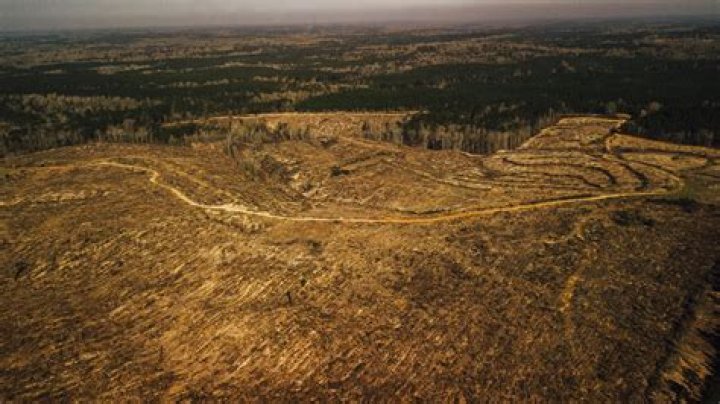
The phrase "234 acres" paints a vivid picture of a vast expanse of land, teeming with potential and possibilities. In a world where space is increasingly at a premium, the significance of owning or managing such a large area cannot be overstated. Whether it is used for agricultural purposes, real estate development, conservation efforts, or recreational spaces, the management and utilization of 234 acres require a strategic approach that balances economic viability with environmental sustainability.
Understanding the implications and opportunities associated with 234 acres involves delving into aspects of land use planning, ecological balance, and community engagement. This comprehensive guide aims to explore the various facets of managing this extensive land area. From the historical context of land ownership and its impact on society to modern techniques in sustainable development, this article covers it all. Readers will gain insights into how 234 acres can be transformed into a thriving hub of activity or preserved as a bastion of natural beauty.
The journey through 234 acres is not just about the land itself, but also about the stories it holds and the future it promises. As we navigate through this narrative, we will uncover the diverse roles that such a significant landmass can play, both locally and globally. With a focus on practical applications and innovative solutions, this article serves as a valuable resource for landowners, developers, policymakers, and anyone interested in the intricate dynamics of land management. Join us as we explore the untapped potential of 234 acres and the impact it can have on our world.
Historical Significance of 234 Acres
The concept of owning and managing 234 acres of land has deep historical roots that stretch back to ancient civilizations. Throughout history, land ownership has been a symbol of power, wealth, and social status. In many cultures, the possession of vast tracts of land was associated with nobility and influence. As societies evolved, so did the significance of land ownership, shaping economies, politics, and cultures worldwide.
In the context of 234 acres, the historical significance is multifaceted. During the agricultural revolutions, large parcels of land were pivotal in transforming societies from hunter-gatherer communities to settled agricultural ones. This shift allowed for surplus production, population growth, and the establishment of complex societies. The agricultural utility of 234 acres meant it could support entire communities, providing food security and economic stability.
Moreover, the historical significance of 234 acres extends to colonization and expansion eras. As empires expanded, acquiring land was crucial for establishing new territories and resources. The distribution and management of land like 234 acres played a central role in colonial administrations, impacting indigenous populations and shaping the geopolitical landscape. The legacy of these historical land practices still influences contemporary land management strategies and policies.
In modern times, the historical context of 234 acres continues to inform discussions on land reform and redistribution. Issues of land ownership rights, access, and equity are central to debates on social justice and economic development. Understanding the historical significance of 234 acres provides valuable insights into current challenges and opportunities in land management, highlighting the need for innovative approaches that honor the past while addressing future needs.
Land Use Planning and Zoning
Effective land use planning and zoning are critical components of managing 234 acres. These strategies ensure that land is utilized efficiently and sustainably, balancing competing demands for agricultural, residential, commercial, and recreational uses. Land use planning involves assessing the suitability of different areas for specific purposes, considering factors like soil quality, topography, climate, and existing infrastructure.
Zoning regulations play a vital role in land use planning by designating specific areas for particular activities. For instance, zoning laws might allocate portions of 234 acres for agricultural purposes, while others are reserved for residential or commercial development. These regulations help to organize and control land development, preventing incompatible land uses that could lead to conflicts or environmental degradation.
Incorporating sustainable practices into land use planning is essential for the long-term viability of 234 acres. This includes employing strategies like mixed-use development, which combines residential, commercial, and recreational spaces in a single area. Such approaches minimize the need for extensive transportation networks, reducing carbon footprints and promoting community cohesion.
Technological advancements also play a significant role in modern land use planning and zoning. Geographic Information Systems (GIS) and remote sensing technologies enable detailed analysis of land characteristics, helping planners make informed decisions about land allocation. These tools facilitate the creation of dynamic land use models that can adapt to changing needs and environmental conditions.
The Role of 234 Acres in Agriculture
Agriculture remains one of the most significant uses for 234 acres, providing essential resources and economic opportunities. The scale of 234 acres allows for diverse agricultural activities, from crop production and livestock farming to agroforestry and aquaculture. This diversity can contribute to food security, rural development, and economic resilience.
Cultivating 234 acres requires careful consideration of factors such as climate, soil quality, and water availability. Crop rotation, cover cropping, and sustainable soil management practices are crucial for maintaining soil health and productivity. These practices help to prevent soil erosion, enhance nutrient availability, and improve water retention, supporting long-term agricultural sustainability.
Livestock farming on 234 acres can also be a viable option, providing meat, dairy, and wool products. The land can support rotational grazing systems that promote animal health and pasture regeneration. Integrating crop and livestock systems can further enhance resource efficiency and reduce waste, creating a closed-loop agricultural system.
Additionally, 234 acres present opportunities for agroforestry, which combines agriculture with tree cultivation. Agroforestry systems provide numerous benefits, including improved biodiversity, enhanced soil fertility, and additional income streams from timber, fruits, and nuts. These systems can also contribute to climate change mitigation by sequestering carbon and improving ecosystem resilience.
234 Acres and Real Estate Development
Real estate development on 234 acres offers significant potential for economic growth and community development. This expansive land area can accommodate a range of residential, commercial, and mixed-use projects, providing housing, employment, and recreational opportunities.
Residential development on 234 acres can address housing shortages and create vibrant communities. By incorporating principles of sustainable design, such as energy-efficient buildings and green spaces, developers can create livable environments that prioritize quality of life and environmental sustainability. Mixed-use developments that integrate residential, commercial, and recreational spaces can further enhance community connectivity and reduce reliance on transportation.
Commercial development on 234 acres can stimulate local economies by attracting businesses and creating jobs. Business parks, retail centers, and industrial facilities can contribute to economic diversification and resilience. Strategic planning and infrastructure investment are essential to ensure that commercial developments are well-connected and accessible.
Real estate development on 234 acres also requires careful consideration of environmental impacts and community needs. Developers must engage with local communities, addressing concerns and incorporating feedback into project designs. This collaborative approach can foster community support and ensure that developments align with the broader goals of social and economic development.
Conservation Efforts on 234 Acres
Conservation efforts are increasingly important in the management of 234 acres, especially as environmental concerns and biodiversity loss become more pressing. Preserving and restoring natural habitats on this land can contribute to ecosystem health, climate change mitigation, and biodiversity conservation.
One approach to conservation on 234 acres is the establishment of protected areas, such as nature reserves or wildlife corridors. These areas provide critical habitats for threatened species, support ecosystem services, and offer opportunities for research and education. Effective management of protected areas involves monitoring biodiversity, controlling invasive species, and restoring degraded habitats.
Ecological restoration projects on 234 acres can also enhance ecosystem resilience and connectivity. These projects focus on restoring native vegetation, improving water quality, and enhancing soil health. By leveraging natural processes and community involvement, restoration efforts can create self-sustaining ecosystems that support biodiversity and human well-being.
Conservation efforts on 234 acres can also involve sustainable land management practices, such as agroecology and permaculture. These practices integrate conservation principles into agricultural activities, promoting biodiversity, soil health, and water conservation. By balancing production with conservation, sustainable land management can support both ecological and economic goals.
Creating Recreational Spaces
234 acres offer ample opportunities for creating recreational spaces that enhance quality of life and promote health and well-being. Parks, trails, sports facilities, and community gardens are just a few examples of recreational spaces that can be developed on this extensive land area.
Parks and green spaces on 234 acres provide essential benefits for communities, offering opportunities for physical activity, relaxation, and social interaction. These spaces can serve as venues for community events, cultural activities, and environmental education. Designing parks that incorporate natural features, such as forests, wetlands, and water bodies, can enhance their ecological value and aesthetic appeal.
Trails and pathways on 234 acres can facilitate outdoor recreation, including hiking, biking, and horseback riding. These trails can connect different parts of the land, providing access to scenic areas and promoting exploration. Well-designed trail systems should accommodate diverse user needs and minimize environmental impacts.
In addition to traditional recreational spaces, 234 acres can support innovative facilities, such as adventure parks, eco-tourism sites, and wellness centers. These facilities can attract visitors, generate revenue, and provide unique experiences that promote health and well-being. By integrating recreational development with conservation and sustainability principles, 234 acres can become a hub for outdoor recreation and community engagement.
Economic Impact of 234 Acres
The economic impact of 234 acres is multifaceted, encompassing various sectors such as agriculture, real estate, tourism, and conservation. This land area can contribute significantly to local and regional economies by creating jobs, generating revenue, and supporting economic diversification.
In agriculture, 234 acres can support diverse production systems that provide food, fiber, and bioenergy. These activities contribute to food security and rural development while generating income for farmers and landowners. By adopting sustainable practices, agricultural enterprises on 234 acres can enhance productivity, reduce environmental impacts, and increase resilience to climate change.
Real estate development on 234 acres can stimulate economic growth by attracting investment, creating jobs, and increasing property values. Mixed-use developments that integrate residential, commercial, and recreational spaces can enhance community connectivity and quality of life, attracting residents and businesses.
Tourism and recreation on 234 acres offer additional economic opportunities. By developing attractions such as parks, trails, and eco-tourism sites, landowners can generate revenue from visitors and support local businesses. These activities can also enhance community pride and identity, fostering a sense of place.
Conservation efforts on 234 acres can also have positive economic impacts by supporting ecosystem services, such as water purification, carbon sequestration, and biodiversity conservation. These services provide benefits to society and contribute to economic resilience and sustainability.
Community Engagement and 234 Acres
Community engagement is a crucial aspect of managing 234 acres, ensuring that land management decisions align with local needs and priorities. Involving community members in planning and decision-making processes can foster a sense of ownership, build trust, and enhance the social and economic outcomes of land management projects.
Effective community engagement involves open communication, transparency, and collaboration. Landowners and developers should actively seek input from community members, including residents, local organizations, and government agencies. This input can inform project designs and ensure that developments address community concerns and aspirations.
Community engagement on 234 acres can also involve capacity-building activities, such as workshops, training programs, and educational initiatives. These activities can empower community members to participate in land management and conservation efforts, enhancing their skills and knowledge.
Partnerships with local organizations, such as schools, non-profits, and government agencies, can further enhance community engagement. These partnerships can provide resources, expertise, and support for land management projects, ensuring their success and sustainability.
Technology and Innovation in Land Management
Technology and innovation play a vital role in the effective management of 234 acres. Advances in digital tools, data analytics, and sustainable practices can enhance land management by improving efficiency, reducing environmental impacts, and supporting decision-making processes.
Geographic Information Systems (GIS) and remote sensing technologies enable detailed analysis of land characteristics, such as soil quality, vegetation cover, and topography. These tools can inform land use planning, zoning, and conservation efforts, ensuring that land is utilized sustainably and efficiently.
Data analytics and modeling techniques can also support decision-making by providing insights into land management scenarios and outcomes. These tools can help landowners and managers assess risks, evaluate options, and optimize resource allocation.
Sustainable practices, such as precision agriculture, agroecology, and permaculture, leverage technology and innovation to enhance productivity and reduce environmental impacts. These practices integrate advanced techniques, such as sensor technology, drone monitoring, and climate modeling, to optimize resource use and support ecological resilience.
Ensuring Environmental Sustainability
Environmental sustainability is a critical consideration in managing 234 acres, ensuring that land use practices support ecological health and resilience. Sustainable land management involves balancing production and conservation goals, minimizing environmental impacts, and promoting biodiversity.
One approach to ensuring environmental sustainability on 234 acres is the implementation of sustainable agricultural practices. These practices, such as crop rotation, cover cropping, and integrated pest management, enhance soil health, reduce chemical inputs, and support ecosystem services.
Conservation efforts on 234 acres can also contribute to environmental sustainability by preserving and restoring natural habitats. These efforts support biodiversity, enhance ecosystem connectivity, and provide critical ecosystem services, such as water purification and carbon sequestration.
Sustainable land management on 234 acres also involves addressing climate change adaptation and mitigation. This includes implementing practices that enhance resilience to climate impacts, such as droughts, floods, and extreme weather events, and reduce greenhouse gas emissions.
Legal Considerations for 234 Acres
Legal considerations are an essential aspect of managing 234 acres, ensuring compliance with regulations and protecting landowner rights. Understanding the legal framework for land management involves navigating property rights, zoning laws, environmental regulations, and contractual agreements.
Property rights are a fundamental consideration for 234 acres, determining ownership, use, and transferability. Landowners must be aware of their rights and responsibilities, including access rights, easements, and restrictions. Legal counsel can provide guidance on property rights and help resolve disputes.
Zoning laws and land use regulations are critical for managing 234 acres, determining permissible activities and development standards. Compliance with zoning laws requires understanding the designated land use categories, such as residential, commercial, agricultural, or industrial, and adhering to specific regulations.
Environmental regulations are also relevant for 234 acres, ensuring that land management practices comply with laws protecting natural resources and public health. These regulations may involve permits, impact assessments, and conservation requirements.
Contractual agreements, such as leases, easements, and development contracts, are important for managing relationships and obligations on 234 acres. These agreements should clearly define terms, responsibilities, and rights, protecting the interests of all parties involved.
Case Studies of Successful Land Management
Examining case studies of successful land management on 234 acres can provide valuable insights and inspiration for landowners and managers. These examples highlight innovative approaches, best practices, and lessons learned from diverse land management projects.
One notable case study involves the transformation of 234 acres into a sustainable agricultural enterprise, integrating crop and livestock systems with conservation practices. This project involved implementing agroecology principles, enhancing soil health, and promoting biodiversity. The success of this project demonstrates the potential of sustainable agriculture to support both ecological and economic goals.
Another case study highlights the development of a mixed-use community on 234 acres, incorporating residential, commercial, and recreational spaces. This project prioritized sustainability, incorporating green building practices, renewable energy, and extensive green spaces. The development fostered community engagement, enhancing social cohesion and quality of life.
A conservation-focused case study involves the restoration of 234 acres of degraded land into a thriving wildlife habitat. This project involved ecological restoration techniques, such as reforestation, wetland creation, and invasive species control. The success of this project demonstrates the potential of restoration efforts to enhance ecosystem resilience and biodiversity conservation.
Challenges and Solutions in Managing 234 Acres
Managing 234 acres presents various challenges, from balancing competing land uses to addressing environmental and social impacts. Understanding these challenges and identifying effective solutions is crucial for successful land management.
One common challenge is balancing agricultural production with conservation goals. Sustainable land management practices, such as agroecology and permaculture, can provide solutions by integrating production and conservation activities, enhancing resource efficiency, and supporting biodiversity.
Another challenge is navigating legal and regulatory requirements, which can be complex and time-consuming. Engaging with legal counsel and regulatory agencies can help landowners and managers understand and comply with relevant laws, ensuring that land use practices are compliant and sustainable.
Community engagement and conflict resolution can also present challenges, particularly when diverse interests and perspectives are involved. Building trust and fostering collaboration through open communication, transparency, and participatory processes can help address community concerns and enhance project success.
Future Outlook for 234 Acres
The future outlook for 234 acres is shaped by trends in sustainable development, technology, and community engagement. As global challenges such as climate change, urbanization, and biodiversity loss continue to evolve, innovative approaches to land management are essential.
Technology and innovation will play a significant role in the future of 234 acres, providing tools and techniques for sustainable land management. Advances in digital tools, precision agriculture, and renewable energy can enhance efficiency, reduce environmental impacts, and support resilience.
Community engagement and collaboration will also be critical for the future of 234 acres, ensuring that land management practices align with local needs and priorities. Empowering communities to participate in decision-making processes can enhance social and economic outcomes, fostering a sense of ownership and stewardship.
Sustainable development principles will guide the future of 234 acres, balancing economic, environmental, and social goals. By integrating sustainability into land management practices, landowners and managers can create resilient and thriving communities that support long-term well-being.
Frequently Asked Questions
1. What are the primary uses of 234 acres?
234 acres can be used for various purposes, including agriculture, real estate development, conservation, and recreation. The specific use depends on factors such as location, zoning regulations, and community needs.
2. How can 234 acres support sustainable agriculture?
234 acres can support sustainable agriculture by implementing practices such as crop rotation, cover cropping, and integrated pest management. These practices enhance soil health, reduce environmental impacts, and support biodiversity.
3. What are the legal considerations for managing 234 acres?
Legal considerations for managing 234 acres include property rights, zoning laws, environmental regulations, and contractual agreements. Understanding these legal frameworks is essential for compliance and protecting landowner rights.
4. How can technology and innovation enhance land management on 234 acres?
Technology and innovation, such as GIS, remote sensing, and precision agriculture, can enhance land management by improving efficiency, reducing environmental impacts, and supporting decision-making processes.
5. What are the benefits of conservation efforts on 234 acres?
Conservation efforts on 234 acres can support biodiversity, enhance ecosystem resilience, and provide critical ecosystem services, such as water purification and carbon sequestration. These efforts contribute to environmental sustainability and community well-being.
6. How can community engagement improve land management on 234 acres?
Community engagement can improve land management by ensuring that decisions align with local needs and priorities. Involving community members in planning and decision-making processes can foster trust, build collaboration, and enhance social and economic outcomes.
Conclusion
Managing 234 acres is a complex and dynamic process that involves balancing economic, environmental, and social goals. By incorporating sustainable practices, leveraging technology and innovation, and engaging with communities, landowners and managers can unlock the full potential of this vast land area. Whether used for agriculture, development, conservation, or recreation, 234 acres offer significant opportunities to support resilience, sustainability, and well-being. As we continue to face global challenges, innovative approaches to land management will be essential for creating thriving and equitable communities.