Guidance and Practical Tips on Direction On Various Aspects of Life
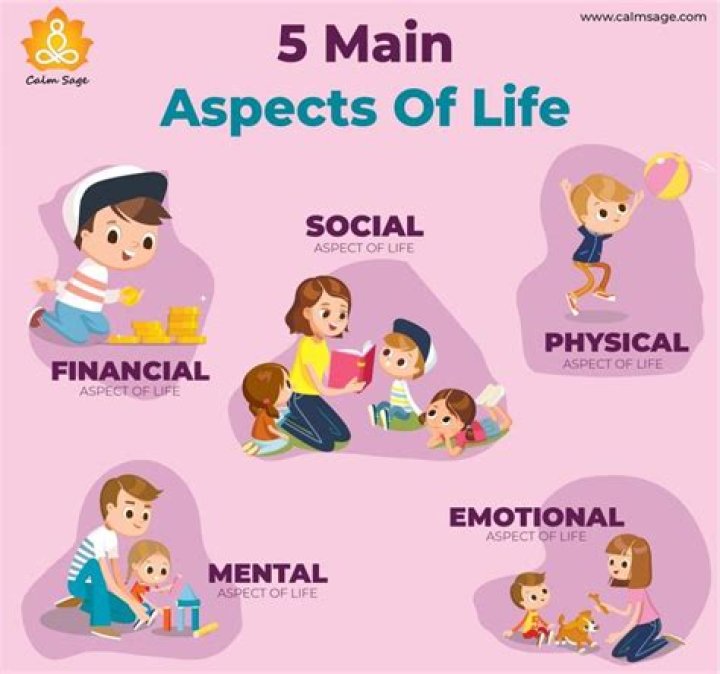
In today's fast-paced world, the importance of guidance and practical tips on various aspects of life cannot be overstated. Whether you are navigating personal challenges, professional hurdles, or simply seeking to improve your everyday experiences, having the right direction on how to approach these situations can make a significant difference. As we delve into this extensive discussion, we will explore a range of topics that provide valuable insights and practical advice to help you lead a more fulfilling and well-rounded life.
Direction on personal development, career growth, financial management, and maintaining a healthy lifestyle are just a few areas where individuals often seek advice. Understanding these topics in depth can empower you to make informed decisions, set realistic goals, and overcome obstacles with confidence. In this comprehensive article, we will break down each of these areas, offering expert advice and actionable strategies to guide you through various life stages and challenges.
Our exploration into the realm of direction on life's many facets also includes insights into relationship building, emotional intelligence, and cultivating a positive mindset. By gaining a deeper understanding of these elements, you will be better equipped to foster meaningful connections, enhance your emotional well-being, and approach life's challenges with a resilient and optimistic outlook. Let us embark on this enlightening journey to discover how direction on key aspects of life can lead you to greater success and satisfaction.
Personal Development
Personal development is a lifelong journey that involves the continuous growth and improvement of one's skills, knowledge, and character. It is a deliberate effort to become the best version of oneself, and it often involves setting goals, acquiring new skills, and reflecting on one's values and beliefs. Personal development can encompass a wide range of activities, including pursuing education, developing a new hobby, or improving communication skills.
Direction on personal development begins with self-awareness, understanding your strengths and weaknesses, and identifying areas for improvement. Setting clear, achievable goals is crucial in this process. It is essential to establish both short-term and long-term goals that align with your values and aspirations. These goals serve as a roadmap for personal growth, guiding your actions and decisions.
Learning is a critical component of personal development. Whether through formal education, online courses, or self-study, acquiring new knowledge and skills helps you stay relevant and adaptable in a rapidly changing world. Additionally, seeking feedback from others and engaging in self-reflection can provide valuable insights into your progress and areas where you may need to focus more attention.
Another vital aspect of personal development is building a positive mindset. Cultivating a growth mindset, where challenges are viewed as opportunities for learning and growth, can significantly impact your ability to achieve your goals. Embracing change, maintaining a curious and open-minded attitude, and being resilient in the face of setbacks are all characteristics of a growth-oriented mindset.
Finally, personal development involves nurturing your emotional well-being. Practices such as mindfulness, meditation, and stress management techniques can help you maintain a healthy balance between your mental and emotional states. By prioritizing self-care and well-being, you ensure that you have the energy and focus needed to pursue your personal development goals.
Career Growth
Career growth is an integral part of personal and professional fulfillment. It involves advancing in your chosen field, acquiring new skills, and taking on greater responsibilities. To achieve career growth, it is essential to have a clear direction on how to navigate the complexities of the workplace and seize opportunities for advancement.
One of the first steps in career growth is setting clear career goals. These goals should be specific, measurable, achievable, relevant, and time-bound (SMART). They provide a framework for your professional development and help you focus your efforts on areas that will have the most significant impact on your career.
Networking is another crucial element of career growth. Building a strong professional network can open doors to new opportunities, provide valuable insights into industry trends, and offer support and guidance from experienced professionals. Attend industry events, join professional organizations, and actively engage with colleagues and mentors to expand your network.
Continuous learning and skill development are vital for career advancement. Stay updated on industry trends and innovations, and seek opportunities to acquire new skills that are in demand in your field. This may involve pursuing additional certifications, attending workshops, or enrolling in online courses to enhance your expertise.
Another essential aspect of career growth is demonstrating leadership and initiative in your current role. Take on challenging projects, volunteer for leadership opportunities, and proactively seek ways to add value to your organization. By showcasing your ability to lead and innovate, you increase your chances of being considered for promotions and other career advancement opportunities.
Finally, maintaining a positive attitude and strong work ethic are crucial for career growth. Approach challenges with enthusiasm and a willingness to learn, and consistently deliver high-quality work. By demonstrating reliability and a commitment to excellence, you establish a reputation as a valuable and dependable professional.
Financial Management
Effective financial management is essential for achieving financial stability and security. It involves planning, organizing, and controlling your financial resources to achieve your personal and financial goals. Having a clear direction on financial management can help you make informed decisions, avoid debt, and build wealth over time.
The first step in financial management is creating a budget. A budget is a detailed plan that outlines your income and expenses, allowing you to track your spending and identify areas where you can save. By setting financial goals and prioritizing your spending, you can ensure that your financial resources are allocated effectively.
Saving and investing are critical components of financial management. Establish an emergency fund to cover unexpected expenses, and regularly contribute to savings accounts or investment portfolios to build wealth over time. Diversifying your investments can help reduce risk and increase potential returns.
Managing debt is another important aspect of financial management. Avoid taking on unnecessary debt, and create a plan to pay off existing debts, starting with high-interest loans. By reducing your debt burden, you free up resources for savings and investments.
Financial management also involves planning for the future. Consider your long-term financial goals, such as retirement or purchasing a home, and develop a strategy to achieve them. This may involve contributing to retirement accounts, purchasing insurance, or seeking professional financial advice.
Finally, regularly reviewing your financial plan and making adjustments as needed is crucial for effective financial management. Monitor your progress towards your financial goals, and be prepared to make changes in response to changes in your financial situation or economic conditions.
Healthy Lifestyle
Maintaining a healthy lifestyle is essential for overall well-being and quality of life. It involves making conscious choices about diet, exercise, and mental health to promote physical and emotional health. Having direction on how to maintain a healthy lifestyle can help you establish habits that support long-term health and vitality.
One of the most important aspects of a healthy lifestyle is nutrition. Eating a balanced diet that includes a variety of fruits, vegetables, whole grains, lean proteins, and healthy fats provides the nutrients your body needs to function optimally. Pay attention to portion sizes and limit the intake of processed foods, added sugars, and saturated fats.
Regular physical activity is another key component of a healthy lifestyle. Aim for at least 150 minutes of moderate-intensity exercise or 75 minutes of vigorous-intensity exercise per week, as recommended by health experts. Choose activities that you enjoy, such as walking, swimming, or cycling, to make exercise a regular part of your routine.
Sleep is also crucial for maintaining a healthy lifestyle. Aim for 7-9 hours of quality sleep each night to support physical and mental health. Establish a regular sleep schedule, create a relaxing bedtime routine, and create a comfortable sleep environment to improve sleep quality.
Mental health is an integral part of a healthy lifestyle. Practice stress management techniques, such as mindfulness, meditation, or yoga, to reduce stress and promote emotional well-being. Seek support from friends, family, or mental health professionals if needed, and prioritize activities that bring joy and fulfillment.
Finally, avoid harmful behaviors, such as smoking, excessive alcohol consumption, or drug use, that can negatively impact your health. Make informed choices and seek support if you need help making positive changes to your lifestyle.
Relationship Building
Building and maintaining strong relationships is essential for personal and professional success. Relationships provide support, connection, and a sense of belonging, and having direction on how to build meaningful relationships can enhance your social and emotional well-being.
Effective communication is the foundation of strong relationships. Practice active listening, express your thoughts and feelings openly and honestly, and seek to understand others' perspectives. Pay attention to non-verbal cues and be mindful of your tone and body language.
Building trust is another critical aspect of relationship building. Be reliable, keep your promises, and demonstrate integrity in your interactions. Trust is built over time through consistent actions and behaviors that demonstrate your commitment to the relationship.
Empathy is also essential for building strong relationships. Take the time to understand others' experiences and emotions, and show compassion and support. Empathy fosters connection and understanding, and it can help resolve conflicts and strengthen relationships.
Investing time and effort in relationships is crucial for their success. Make time for regular interactions, whether through in-person meetings, phone calls, or virtual communication. Be present and engaged in your interactions, and show appreciation and gratitude for the people in your life.
Finally, be open to feedback and willing to grow and change in response to the needs of the relationship. Relationships are dynamic, and being flexible and adaptable can help you navigate changes and challenges together.
Emotional Intelligence
Emotional intelligence (EI) is the ability to recognize, understand, and manage your emotions and the emotions of others. It is a critical skill for personal and professional success, and having direction on how to develop emotional intelligence can enhance your relationships, communication, and decision-making abilities.
Self-awareness is the foundation of emotional intelligence. It involves recognizing your emotions, understanding their impact on your thoughts and behaviors, and identifying your strengths and weaknesses. Practice self-reflection and mindfulness to increase self-awareness and gain insight into your emotional responses.
Self-regulation is another key component of emotional intelligence. It involves managing your emotions and behaviors in a way that aligns with your values and goals. Practice techniques such as deep breathing, meditation, or journaling to regulate your emotions and respond to situations in a calm and composed manner.
Empathy is also an essential aspect of emotional intelligence. It involves understanding and sharing the feelings of others, and it is crucial for building strong relationships and effective communication. Practice active listening, show genuine interest in others' experiences, and offer support and understanding.
Social skills are another important element of emotional intelligence. They involve effectively navigating social interactions, building relationships, and resolving conflicts. Practice effective communication, collaboration, and problem-solving skills to enhance your social interactions and build strong connections.
Finally, motivation is a critical aspect of emotional intelligence. It involves setting and pursuing goals with passion and persistence, even in the face of challenges. Cultivate a positive attitude, focus on your strengths, and seek opportunities for growth and development to stay motivated and achieve your goals.
Positive Mindset
A positive mindset is a mental attitude that focuses on the good in situations, and it is crucial for personal and professional success. Having direction on how to cultivate a positive mindset can enhance your resilience, well-being, and overall quality of life.
One of the first steps in developing a positive mindset is practicing gratitude. Regularly reflecting on the things you are thankful for can shift your focus from negative to positive experiences. Keep a gratitude journal, express appreciation to others, and savor positive moments to cultivate gratitude.
Another important aspect of a positive mindset is reframing negative thoughts. Challenge negative beliefs and replace them with positive, empowering thoughts. Practice positive self-talk and focus on solutions rather than problems to shift your perspective.
Surrounding yourself with positive influences is also crucial for developing a positive mindset. Seek out supportive and encouraging people, and minimize exposure to negativity. Engage in activities that bring joy and fulfillment, and limit time spent on negative media or social networks.
Practicing mindfulness is another effective way to cultivate a positive mindset. Mindfulness involves being present in the moment and accepting your experiences without judgment. Practice mindfulness meditation, yoga, or other mindfulness techniques to increase awareness and reduce stress.
Finally, set realistic and achievable goals that align with your values and aspirations. Focus on progress rather than perfection, and celebrate your achievements, no matter how small. By maintaining a positive attitude and focusing on growth, you can achieve your goals and enhance your quality of life.
Direction On Personal Challenges
Personal challenges are an inevitable part of life, and having direction on how to navigate these challenges can help you build resilience and achieve personal growth. Whether you are facing health issues, relationship problems, or financial difficulties, having a clear plan and support system can make a significant difference.
One of the first steps in addressing personal challenges is acknowledging and accepting the situation. Recognize that challenges are a natural part of life and that it is okay to ask for help. Practice self-compassion and be patient with yourself as you work through the challenge.
Developing a plan to address the challenge is another critical step. Break the challenge down into manageable steps, and set realistic and achievable goals. Create a timeline for achieving these goals, and be flexible and adaptable in response to changes or setbacks.
Seeking support from others is also crucial for navigating personal challenges. Reach out to friends, family, or support groups for advice, encouragement, and assistance. Consider seeking professional help, such as counseling or therapy, if needed.
Building resilience is another important aspect of overcoming personal challenges. Practice stress management techniques, such as mindfulness, meditation, or exercise, to enhance your emotional and physical well-being. Focus on your strengths and accomplishments, and maintain a positive attitude in the face of adversity.
Finally, reflect on the experience and the lessons learned. Use the challenge as an opportunity for personal growth and development, and apply these insights to future situations. By building resilience and learning from challenges, you can enhance your ability to navigate future obstacles.
Navigating Professional Hurdles
Professional hurdles are common in the workplace, and having direction on how to navigate these challenges can enhance your career success and satisfaction. Whether you are facing a difficult project, conflict with a colleague, or a lack of motivation, having a clear plan and support system can help you overcome these obstacles.
One of the first steps in addressing professional hurdles is identifying the root cause of the challenge. Analyze the situation and consider potential solutions or strategies. Seek input from colleagues or mentors for additional insights and perspectives.
Developing a plan to address the challenge is another critical step. Break the challenge down into manageable steps, and set realistic and achievable goals. Create a timeline for achieving these goals, and be flexible and adaptable in response to changes or setbacks.
Seeking support from others is also crucial for navigating professional hurdles. Reach out to colleagues, mentors, or professional networks for advice, encouragement, and assistance. Consider seeking professional development opportunities, such as training or workshops, to enhance your skills and knowledge.
Building resilience is another important aspect of overcoming professional hurdles. Practice stress management techniques, such as mindfulness, meditation, or exercise, to enhance your emotional and physical well-being. Focus on your strengths and accomplishments, and maintain a positive attitude in the face of adversity.
Finally, reflect on the experience and the lessons learned. Use the challenge as an opportunity for professional growth and development, and apply these insights to future situations. By building resilience and learning from challenges, you can enhance your ability to navigate future obstacles.
Goal Setting Strategies
Effective goal setting is essential for personal and professional success, and having direction on how to set and achieve goals can enhance your motivation and satisfaction. Whether you are setting personal, career, or financial goals, having a clear plan and support system can help you achieve your aspirations.
One of the first steps in goal setting is identifying your values and aspirations. Consider what is most important to you and what you want to achieve in various areas of your life. Reflect on your strengths and weaknesses, and set goals that align with your values and priorities.
Setting SMART goals is another critical step in effective goal setting. SMART goals are specific, measurable, achievable, relevant, and time-bound. They provide a clear framework for your efforts and help you track your progress and adjust your approach as needed.
Creating a plan to achieve your goals is also crucial for success. Break your goals down into manageable steps, and set milestones to track your progress. Consider potential obstacles and develop strategies to overcome them, and be flexible and adaptable in response to changes or setbacks.
Seeking support from others is another important aspect of goal setting. Reach out to friends, family, or mentors for advice, encouragement, and accountability. Consider joining a support group or seeking professional help, such as coaching or counseling, if needed.
Finally, regularly review and revise your goals as needed. Reflect on your progress and the lessons learned, and make adjustments to your goals or strategies as necessary. By staying focused and committed to your goals, you can achieve your aspirations and enhance your quality of life.
Overcoming Obstacles
Obstacles are an inevitable part of life, and having direction on how to overcome them can enhance your resilience and success. Whether you are facing personal, professional, or financial challenges, having a clear plan and support system can help you navigate these obstacles and achieve your goals.
One of the first steps in overcoming obstacles is identifying the root cause of the challenge. Analyze the situation and consider potential solutions or strategies. Seek input from others for additional insights and perspectives, and be open to feedback and suggestions.
Developing a plan to address the obstacle is another critical step. Break the challenge down into manageable steps, and set realistic and achievable goals. Create a timeline for achieving these goals, and be flexible and adaptable in response to changes or setbacks.
Seeking support from others is also crucial for overcoming obstacles. Reach out to friends, family, or support groups for advice, encouragement, and assistance. Consider seeking professional help, such as counseling or coaching, if needed.
Building resilience is another important aspect of overcoming obstacles. Practice stress management techniques, such as mindfulness, meditation, or exercise, to enhance your emotional and physical well-being. Focus on your strengths and accomplishments, and maintain a positive attitude in the face of adversity.
Finally, reflect on the experience and the lessons learned. Use the obstacle as an opportunity for personal growth and development, and apply these insights to future situations. By building resilience and learning from obstacles, you can enhance your ability to navigate future challenges.
Decision Making Skills
Effective decision-making skills are essential for personal and professional success, and having direction on how to make informed decisions can enhance your confidence and satisfaction. Whether you are making personal, career, or financial decisions, having a clear plan and support system can help you achieve your goals.
One of the first steps in effective decision-making is gathering information. Consider the options available, and seek input from others for additional insights and perspectives. Be open to feedback and suggestions, and be willing to consider new ideas and approaches.
Evaluating the options is another critical step in effective decision-making. Consider the potential outcomes and consequences of each option, and weigh the pros and cons. Reflect on your values and priorities, and choose the option that aligns with your goals and aspirations.
Developing a plan to implement the decision is also crucial for success. Break the decision down into manageable steps, and set milestones to track your progress. Consider potential obstacles and develop strategies to overcome them, and be flexible and adaptable in response to changes or setbacks.
Seeking support from others is another important aspect of decision-making. Reach out to friends, family, or mentors for advice, encouragement, and accountability. Consider seeking professional help, such as coaching or counseling, if needed.
Finally, reflect on the decision and the lessons learned. Consider the outcomes and consequences, and make adjustments to your approach as necessary. By staying focused and committed to your goals, you can make informed decisions and enhance your quality of life.
Building Resilience
Resilience is the ability to bounce back from adversity and challenges, and having direction on how to build resilience can enhance your well-being and success. Whether you are facing personal, professional, or financial challenges, having a clear plan and support system can help you navigate these obstacles and achieve your goals.
One of the first steps in building resilience is developing a positive mindset. Focus on the good in situations, and practice gratitude and positive self-talk. Reframe negative thoughts and challenge negative beliefs, and surround yourself with positive influences and supportive people.
Developing effective stress management techniques is another critical step in building resilience. Practice mindfulness, meditation, or exercise to enhance your emotional and physical well-being. Consider seeking support from others, such as counseling or support groups, if needed.
Building strong relationships is another important aspect of resilience. Seek out supportive and encouraging people, and invest time and effort in your relationships. Be present and engaged in your interactions, and show appreciation and gratitude for the people in your life.
Developing problem-solving skills is also crucial for building resilience. Consider the options available, and seek input from others for additional insights and perspectives. Be open to feedback and suggestions, and be willing to consider new ideas and approaches.
Finally, reflect on the experiences and the lessons learned. Use challenges as opportunities for personal growth and development, and apply these insights to future situations. By building resilience and learning from challenges, you can enhance your ability to navigate future obstacles.
Fostering Meaningful Connections
Building and maintaining meaningful connections is essential for personal and professional success. Connections provide support, connection, and a sense of belonging, and having direction on how to build meaningful relationships can enhance your social and emotional well-being.
Effective communication is the foundation of meaningful connections. Practice active listening, express your thoughts and feelings openly and honestly, and seek to understand others' perspectives. Pay attention to non-verbal cues and be mindful of your tone and body language.
Building trust is another critical aspect of fostering meaningful connections. Be reliable, keep your promises, and demonstrate integrity in your interactions. Trust is built over time through consistent actions and behaviors that demonstrate your commitment to the relationship.
Empathy is also essential for building meaningful connections. Take the time to understand others' experiences and emotions, and show compassion and support. Empathy fosters connection and understanding, and it can help resolve conflicts and strengthen relationships.
Investing time and effort in connections is crucial for their success. Make time for regular interactions, whether through in-person meetings, phone calls, or virtual communication. Be present and engaged in your interactions, and show appreciation and gratitude for the people in your life.
Finally, be open to feedback and willing to grow and change in response to the needs of the connection. Relationships are dynamic, and being flexible and adaptable can help you navigate changes and challenges together.
Frequently Asked Questions
1. How do I set realistic and achievable goals?
Setting realistic and achievable goals involves identifying your values and aspirations, setting SMART goals, creating a plan to achieve them, seeking support from others, and regularly reviewing and revising your goals as needed.
2. How can I build resilience in the face of challenges?
Building resilience involves developing a positive mindset, practicing effective stress management techniques, building strong relationships, developing problem-solving skills, and reflecting on experiences and lessons learned.
3. What are some effective strategies for financial management?
Effective financial management strategies include creating a budget, saving and investing, managing debt, planning for the future, and regularly reviewing and adjusting your financial plan as needed.
4. How can I maintain a healthy lifestyle?
Maintaining a healthy lifestyle involves making conscious choices about diet, exercise, and mental health, such as eating a balanced diet, engaging in regular physical activity, getting quality sleep, practicing stress management techniques, and avoiding harmful behaviors.
5. How can I improve my decision-making skills?
Improving decision-making skills involves gathering information, evaluating options, developing a plan to implement the decision, seeking support from others, and reflecting on the decision and the lessons learned.
6. How can I foster meaningful connections with others?
Fostering meaningful connections involves practicing effective communication, building trust, showing empathy, investing time and effort in relationships, and being open to feedback and willing to grow and change in response to the needs of the connection.
For further reading, you may find additional resources on personal development and professional growth on websites like Mind Tools that offer valuable insights and tools.