Mastering OpenMetadata API: Your Guide to Seamless Data Management
In today's digital age, the effective management of metadata is crucial for organizations aiming to leverage their data assets efficiently. The OpenMetadata API stands out as a powerful tool that enables users to access, manage, and manipulate metadata seamlessly across various platforms. With its open-source nature, it brings flexibility and adaptability, making it a preferred choice among developers and data professionals. Understanding how to utilize the OpenMetadata API can significantly enhance your data management capabilities, streamline operations, and improve data governance within your organization.
The OpenMetadata API is not just a utility; it is a gateway to a new realm of data management possibilities. By providing a structured approach to accessing metadata, it facilitates a deeper understanding of data assets, ensuring they are used to their fullest potential. The API's design focuses on ease of use, scalability, and integration, enabling users to innovate and adapt to the ever-evolving data landscape. Through this article, we aim to delve into the intricate workings of the OpenMetadata API, exploring its features, benefits, and applications in various scenarios.
Whether you're a seasoned data professional or a newcomer to the field, mastering the OpenMetadata API can open up new avenues for data exploration and innovation. This comprehensive guide will walk you through the essentials of the API, offering insights into its functionality, best practices for implementation, and troubleshooting tips. By the end of this journey, you'll be well-equipped to harness the power of the OpenMetadata API, driving efficiency and innovation in your data-driven projects.
Introduction to OpenMetadata API
The OpenMetadata API is a robust, open-source tool designed to facilitate the management and accessibility of metadata across diverse data ecosystems. It provides a standardized framework that allows organizations to efficiently catalog, govern, and collaborate on metadata, enhancing their data management capabilities. The API's open-source nature ensures that it is customizable and adaptable to a wide range of use cases, from small businesses to large enterprises.
One of the key aspects of the OpenMetadata API is its focus on interoperability. In a world where data is stored across various platforms and systems, the API provides a seamless way to integrate and manage metadata, ensuring consistency and reliability. This interoperability is crucial for organizations looking to streamline their data operations and improve decision-making processes. By unifying metadata management, the OpenMetadata API helps organizations overcome the challenges of data silos and fragmented data landscapes.
Moreover, the OpenMetadata API is designed with scalability and flexibility in mind. It can accommodate the needs of growing organizations, allowing them to scale their metadata management efforts as their data assets expand. The API's modular architecture enables users to add or modify components as needed, providing a tailored solution that aligns with their specific requirements. This flexibility makes it an attractive option for businesses seeking a comprehensive and adaptable metadata management tool.
Key Features and Benefits
The OpenMetadata API offers a plethora of features that set it apart from other metadata management tools. One of its standout features is its ability to automatically discover and catalog metadata from various sources. This automation reduces the time and effort required to manage metadata, allowing data professionals to focus on more strategic tasks. Additionally, the API provides a rich set of APIs that enable users to query, update, and delete metadata, offering complete control over their data assets.
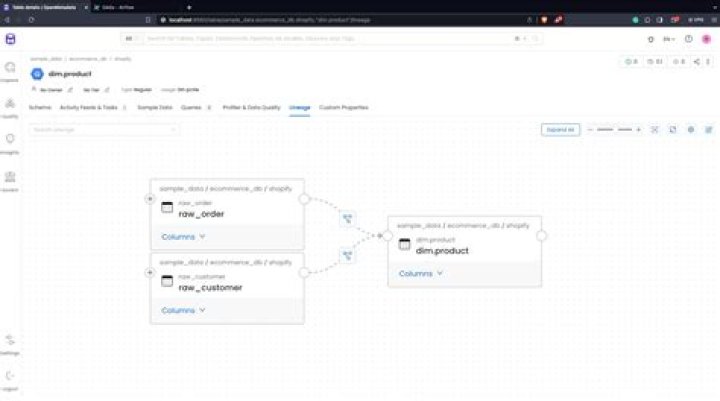
Another significant benefit of the OpenMetadata API is its support for data lineage and impact analysis. Understanding the flow of data and its transformations is crucial for ensuring data quality and compliance. The API's data lineage capabilities provide a clear view of data dependencies and transformations, helping organizations identify potential issues and optimize their data processes. This transparency enhances trust in data and supports informed decision-making.
Furthermore, the OpenMetadata API promotes collaboration among data teams by providing a centralized platform for managing metadata. It enables users to share metadata insights, annotations, and best practices, fostering a culture of data-driven collaboration. This collaborative approach not only improves data governance but also accelerates innovation by empowering teams to work together more effectively.
Getting Started with OpenMetadata API
Embarking on your journey with the OpenMetadata API is a straightforward process, thanks to its user-friendly design and comprehensive documentation. The first step involves setting up the API within your organization's infrastructure. This typically requires installing the necessary software components and configuring them to connect to your data sources. The OpenMetadata API supports a wide range of data platforms, ensuring seamless integration with your existing systems.
Once the setup is complete, the next step is to define your metadata model. The OpenMetadata API provides a flexible schema that allows you to customize metadata entities, attributes, and relationships to align with your organization's data governance policies. This customization ensures that the metadata captured is relevant and useful for your specific use cases.
After defining the metadata model, you can start populating the metadata catalog by ingesting metadata from various sources. The API offers connectors for popular data platforms, simplifying the process of metadata ingestion. These connectors automatically extract metadata and populate the catalog, ensuring that your metadata is always up-to-date and accurate. With the metadata catalog in place, you can begin leveraging the API's powerful features to manage, query, and analyze your metadata effectively.
Integrating OpenMetadata API
Integration is a key aspect of leveraging the full potential of the OpenMetadata API. By integrating it with your existing data management tools and workflows, you can create a unified ecosystem that enhances your organization's data capabilities. The API's design prioritizes interoperability, making it compatible with a wide range of data platforms and applications.
One of the primary integration points for the OpenMetadata API is with data visualization and analysis tools. By linking metadata with these tools, you can provide richer context for your data, improving the quality and accuracy of your insights. This integration enables data analysts and business users to access metadata directly from their preferred tools, streamlining workflows and enhancing productivity.
Additionally, the OpenMetadata API can be integrated with data governance and compliance solutions. This integration ensures that metadata management aligns with your organization's governance policies and regulatory requirements. By automating compliance checks and audits, the API helps reduce the risk of non-compliance and enhances trust in your data processes.
Use Cases of OpenMetadata API
The versatility of the OpenMetadata API makes it suitable for a wide range of use cases across different industries. One common use case is in data quality management. By leveraging the API's metadata catalog and data lineage capabilities, organizations can monitor data quality, identify issues, and implement corrective actions. This proactive approach ensures that data remains accurate and reliable, supporting better decision-making.
Another use case is in data governance and compliance. The OpenMetadata API provides a centralized platform for managing metadata, enabling organizations to enforce data governance policies effectively. By providing visibility into data assets and their usage, the API supports compliance with regulatory requirements such as GDPR and CCPA. This capability is especially valuable for organizations operating in heavily regulated industries, such as finance and healthcare.
Furthermore, the OpenMetadata API supports data democratization initiatives by providing self-service access to metadata. This empowerment allows business users to explore and analyze data independently, reducing reliance on IT and data teams. By fostering a data-driven culture, organizations can accelerate innovation and improve business outcomes.
Best Practices for Implementation
Implementing the OpenMetadata API effectively requires a strategic approach that aligns with your organization's data management goals. One best practice is to start with a clear understanding of your metadata requirements and objectives. This clarity ensures that the metadata model and ingestion processes are tailored to your specific needs, maximizing the value of the API.
Another best practice is to prioritize data quality and consistency. By establishing data governance policies and standards, you can ensure that the metadata captured is accurate and reliable. Regularly reviewing and updating metadata also helps maintain its relevance and usefulness over time.
Collaboration is also a critical factor in the successful implementation of the OpenMetadata API. By involving stakeholders from different departments, you can ensure that the API meets the needs of all users and supports cross-functional collaboration. This collaborative approach fosters a culture of data-driven decision-making and innovation.
Security and Governance
Security and governance are paramount when managing metadata, and the OpenMetadata API provides robust features to address these concerns. The API supports role-based access control, allowing organizations to define and enforce permissions based on user roles. This capability ensures that only authorized users can access and modify metadata, reducing the risk of data breaches and unauthorized access.
In addition to access control, the OpenMetadata API provides audit logging and monitoring capabilities. These features enable organizations to track metadata changes and access, supporting compliance with regulatory requirements and internal policies. By maintaining a comprehensive audit trail, organizations can ensure accountability and transparency in their metadata management processes.
The OpenMetadata API also supports data privacy and protection initiatives by providing tools for data masking and anonymization. These features help organizations protect sensitive data while still enabling insights and analysis. By balancing data privacy with accessibility, the API supports responsible data management practices that build trust with customers and stakeholders.
Troubleshooting Common Issues
Like any technology, the OpenMetadata API may encounter issues that require troubleshooting. One common issue is connectivity problems with data sources. These issues can often be resolved by verifying network configurations, checking authentication credentials, and ensuring that the API is properly configured to connect to the data source.
Another common issue is performance bottlenecks, which can occur if the API is handling large volumes of metadata or complex queries. To address these challenges, organizations can optimize their metadata model, implement indexing strategies, and review their query patterns to improve performance.
In cases where metadata is not being ingested or updated correctly, organizations should review their data connectors and ingestion processes. Ensuring that connectors are properly configured and up-to-date can resolve many metadata ingestion issues. Additionally, regular monitoring and maintenance of the API can help identify and address potential issues before they impact operations.
Future Trends and Developments
The field of metadata management is constantly evolving, and the OpenMetadata API is poised to adapt to emerging trends and developments. One key trend is the increasing focus on data automation and artificial intelligence. By integrating AI and machine learning capabilities, the OpenMetadata API can enhance metadata discovery, classification, and analysis, enabling organizations to derive deeper insights from their data.
Another trend is the growing importance of data privacy and ethics. As organizations navigate complex regulatory environments, the OpenMetadata API will continue to evolve to support compliance and ethical data management practices. Features such as data anonymization, privacy impact assessments, and ethical guidelines will become increasingly important for organizations seeking to build trust with their customers and stakeholders.
Furthermore, the OpenMetadata API is expected to expand its integration capabilities to support a broader range of data platforms and applications. This expansion will enable organizations to create more comprehensive data ecosystems, enhancing their ability to manage and leverage metadata effectively.
Comparison with Other Metadata APIs
When evaluating metadata management solutions, it's important to consider how the OpenMetadata API compares to other available options. One distinguishing feature of the OpenMetadata API is its open-source nature, which provides flexibility and adaptability that proprietary solutions may lack. This open-source approach allows organizations to customize the API to meet their specific needs and contribute to its ongoing development.
The OpenMetadata API also stands out for its comprehensive feature set, which includes automated metadata discovery, data lineage, and collaboration tools. These features provide a holistic approach to metadata management that may not be available in other APIs. Additionally, the API's focus on interoperability and integration ensures that it can seamlessly fit into existing data ecosystems, providing a unified approach to metadata management.
In contrast, some other metadata APIs may offer specialized features or capabilities that are tailored to specific industries or use cases. Organizations should carefully evaluate their specific requirements and consider how the OpenMetadata API's capabilities align with their goals and objectives.
OpenMetadata API and Data Governance
Data governance is a critical component of effective metadata management, and the OpenMetadata API plays a central role in supporting governance initiatives. By providing a centralized platform for managing metadata, the API enables organizations to enforce data governance policies and standards consistently across their data ecosystems.
The OpenMetadata API's data lineage and impact analysis capabilities provide valuable insights into data dependencies and transformations, supporting compliance with governance policies. This transparency allows organizations to identify and address potential data quality issues, ensuring that data remains accurate and reliable.
Moreover, the API's collaboration features facilitate cross-functional communication and alignment, ensuring that data governance efforts are coordinated and effective. By empowering data teams to work together and share insights, the API supports a culture of data-driven decision-making and governance.
Community and Support
The OpenMetadata API benefits from a vibrant and active community of users and contributors who support its ongoing development and improvement. This community provides valuable resources, including documentation, tutorials, and forums, where users can share best practices and troubleshoot issues collaboratively.
In addition to community support, organizations can access professional services and support from vendors and partners who specialize in the OpenMetadata API. These services can provide additional expertise and guidance, ensuring that organizations can implement and leverage the API effectively.
The OpenMetadata API's open-source nature also allows organizations to contribute to its development, ensuring that it continues to evolve and meet the needs of its users. By participating in the community, organizations can help shape the future of the API and benefit from the collective knowledge and expertise of its members.
FAQs
- What is the OpenMetadata API?
The OpenMetadata API is an open-source tool designed to facilitate metadata management across diverse data ecosystems. It provides a standardized framework for cataloging, governing, and collaborating on metadata.
- How does the OpenMetadata API support data governance?
The OpenMetadata API supports data governance by providing a centralized platform for managing metadata, enforcing governance policies, and offering data lineage and impact analysis capabilities.
- What are the key features of the OpenMetadata API?
The key features of the OpenMetadata API include automated metadata discovery, data lineage, role-based access control, collaboration tools, and integration capabilities with various data platforms.
- How can I integrate the OpenMetadata API with my existing systems?
The OpenMetadata API is designed for interoperability and can be integrated with existing data management tools and workflows, data visualization and analysis tools, and data governance solutions.
- What are the benefits of using the OpenMetadata API?
The benefits of using the OpenMetadata API include enhanced metadata management capabilities, improved data quality and governance, support for compliance, and fostering a data-driven culture.
- Is the OpenMetadata API suitable for my organization?
The OpenMetadata API is suitable for organizations of all sizes and industries, particularly those seeking a flexible and adaptable metadata management tool with comprehensive features.
Conclusion
The OpenMetadata API is a powerful tool that empowers organizations to manage metadata effectively, supporting data governance, compliance, and collaboration. Its open-source nature, comprehensive features, and focus on interoperability make it a valuable asset for organizations looking to enhance their data management capabilities. By leveraging the OpenMetadata API, organizations can unlock the full potential of their data assets, drive innovation, and achieve their strategic objectives.
As the field of metadata management continues to evolve, the OpenMetadata API is well-positioned to adapt to emerging trends and challenges. By staying engaged with the community and embracing best practices, organizations can ensure that they are leveraging the API to its fullest potential, maximizing the value of their data and transforming their operations.
Whether you're just getting started with metadata management or looking to enhance your existing capabilities, the OpenMetadata API offers a robust and flexible solution that can meet your needs and support your organization's data-driven journey.