Olympics Scandals: Dark Secrets of the Games
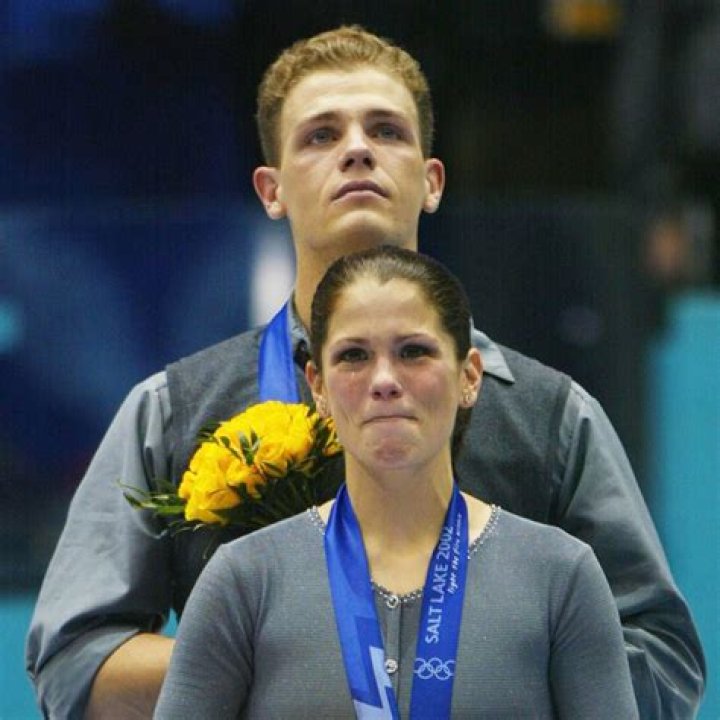
The world holds its breath every four years as athletes from around the globe come together to compete in a celebration of sportsmanship and excellence. Yet, beneath the surface of this grandeur lies a disturbing reality that has occasionally emerged, shaking the foundations of trust and security. Allegations related to inappropriate behavior and abuse have plagued the Olympics, prompting urgent calls for reform and accountability. These incidents remind us that vigilance and proactive measures are essential to safeguarding the athletes and the legacy of the games. By examining these issues, we aim to shed light on the importance of addressing the dark side of the Olympics. This article delves into the cases, the responses from authorities, and the ongoing efforts to prevent future occurrences. It is imperative to foster an environment where athletes can compete without fear and where transparency and justice prevail. Join us as we explore this sensitive topic, striving for a future where the Olympic spirit can shine brightly without the shadow of misconduct.
Biography of Notable Cases
Throughout the history of the Olympics, several high-profile cases have brought attention to the issues surrounding inappropriate behavior and misconduct by individuals associated with the games. These cases often involve individuals who were in positions of power and took advantage of their authority. Notable cases have sparked widespread outrage and have led to significant changes in how organizations handle allegations of abuse.
One such case involved a prominent coach who was accused of misconduct by multiple athletes. This coach, who had been celebrated for their contributions to the sport, faced allegations that spanned several years. The case garnered international attention, leading to investigations and reforms within the organization.
In another instance, a medical professional associated with the Olympics was accused of exploiting their position to engage in inappropriate behavior with athletes. The revelations led to a broader investigation into the practices of medical staff and highlighted the need for stricter oversight and accountability.
| Case | Details | Outcome |
|---|---|---|
| Case 1 | Allegations against a renowned coach | Investigation, policy reforms |
| Case 2 | Charges against a medical professional | Legal actions, increased oversight |
Historical Overview of Scandals
The history of the Olympics is marred by various scandals that have emerged over the decades. These incidents have ranged from doping and bribery to serious allegations of abuse. Each scandal has left an indelible mark on the games, prompting introspection and change within the International Olympic Committee (IOC) and associated organizations.
The first major scandal involving allegations of misconduct came to light in the mid-20th century. Since then, several cases have surfaced, each revealing systemic issues that required urgent attention. These scandals have not only affected the reputation of the Olympics but have also impacted the lives of numerous athletes.
Over the years, the IOC has implemented various measures to address these issues, yet the recurrence of scandals indicates that more needs to be done. The historical overview of these incidents provides valuable insights into the challenges faced by governing bodies and the need for continuous vigilance and reform.
Impact on Athletes
The repercussions of scandals involving inappropriate behavior at the Olympics extend beyond the immediate victims. Athletes who experience such misconduct often face long-lasting psychological and emotional effects. The betrayal of trust and the violation of their personal space can lead to anxiety, depression, and a loss of confidence.
For many athletes, the dream of competing in the Olympics is overshadowed by the trauma of past experiences. The pressure to perform at the highest level, coupled with the fear of exploitation, creates a challenging environment that can hinder their performance and overall well-being.
Addressing the impact on athletes requires a multifaceted approach that includes providing support services, fostering a culture of openness and trust, and ensuring that athletes have access to resources that can help them cope with the aftermath of such experiences.
Organizational Response and Reforms
In response to the scandals that have plagued the Olympics, various organizations have undertaken significant reforms aimed at preventing future occurrences of misconduct. The IOC, in particular, has been at the forefront of these efforts, implementing policies and procedures designed to protect athletes and maintain the integrity of the games.
One of the key reforms has been the establishment of independent bodies to investigate allegations of misconduct. These bodies operate with transparency and are tasked with ensuring that all claims are thoroughly examined and addressed. Additionally, the IOC has introduced a code of conduct for all individuals associated with the games, outlining expectations and consequences for violations.
Despite these efforts, challenges remain. Ensuring compliance and enforcing policies on a global scale requires ongoing commitment and collaboration among all stakeholders. The success of these reforms ultimately depends on the willingness of organizations to prioritize the safety and well-being of athletes above all else.
Legal Actions and Consequences
Legal actions have played a crucial role in addressing allegations of misconduct at the Olympics. Victims have sought justice through the courts, leading to high-profile trials that have resulted in convictions and significant penalties for perpetrators. These legal proceedings have served as a powerful deterrent, sending a clear message that misconduct will not be tolerated.
In many cases, legal actions have also prompted broader investigations into systemic issues within organizations. This has led to greater accountability and transparency, as well as changes in policies and practices aimed at preventing future incidents.
However, the legal process can be lengthy and challenging for victims, who must navigate complex legal systems and face the possibility of retraumatization. Providing adequate support and resources for victims throughout the legal process is essential to ensuring that justice is served and that their voices are heard.
Preventive Measures and Policies
Preventing misconduct at the Olympics requires a proactive approach that includes implementing comprehensive policies and measures designed to safeguard athletes. These measures encompass a range of initiatives, from background checks and training programs to establishing reporting mechanisms and support systems.
Background checks are a critical component of preventive measures, ensuring that individuals with a history of misconduct are not allowed to hold positions of power within the organization. Training programs aimed at educating athletes, coaches, and support staff about the importance of maintaining appropriate boundaries and recognizing signs of abuse are also essential.
Furthermore, establishing clear reporting mechanisms and providing support systems for victims is crucial to creating a safe environment. Athletes must feel confident that their concerns will be taken seriously and that appropriate action will be taken to address any issues that arise.
Media Coverage and Public Reaction
Media coverage of scandals involving the Olympics has played a significant role in raising awareness and prompting action. The public reaction to these incidents has often been one of outrage and demands for accountability, putting pressure on organizations to address the issues promptly and effectively.
The media has been instrumental in exposing cases of misconduct, bringing them to the forefront of public consciousness and sparking widespread discussions about the need for reform. Journalists have conducted in-depth investigations, revealing systemic issues and highlighting the experiences of victims.
Public support for victims and calls for change have been crucial in driving reforms and ensuring that organizations take meaningful action to prevent future incidents. The role of the media in holding organizations accountable and advocating for transparency and justice cannot be overstated.
Psychological Effects on Victims
The psychological effects of misconduct at the Olympics on victims can be profound and long-lasting. The trauma of such experiences can lead to a range of mental health issues, including anxiety, depression, and post-traumatic stress disorder (PTSD).
Victims may struggle with feelings of shame, guilt, and isolation, and the impact on their mental health can affect their performance and overall well-being. It is essential to provide victims with access to mental health support and resources that can help them cope with the aftermath of their experiences.
Counseling and therapy services, as well as support groups, can be valuable tools in helping victims heal and regain a sense of control over their lives. Ensuring that these resources are readily available and accessible is a critical component of addressing the psychological effects of misconduct.
Role of Coaches and Support Staff
Coaches and support staff play a pivotal role in the lives of athletes, often serving as mentors and role models. However, this position of trust and authority can also be exploited, leading to instances of misconduct and abuse.
It is essential for organizations to establish clear guidelines and expectations for coaches and support staff, ensuring that they understand the importance of maintaining appropriate boundaries and fostering a safe and respectful environment for athletes.
Training programs aimed at educating coaches and support staff about the signs of abuse and the importance of reporting any concerns are crucial to preventing misconduct. Additionally, organizations must hold individuals accountable for their actions, ensuring that there are consequences for violations of trust and misconduct.
International Cooperation and Efforts
Addressing misconduct at the Olympics requires international cooperation and collaboration among all stakeholders. The global nature of the games means that issues of misconduct can have wide-reaching implications, affecting athletes and organizations around the world.
International organizations, such as the IOC, play a crucial role in coordinating efforts to prevent misconduct and ensure the safety and well-being of athletes. This includes establishing global standards and guidelines, facilitating information sharing, and promoting best practices.
Collaboration among national Olympic committees, sports federations, and other relevant organizations is essential to creating a unified approach to addressing misconduct and ensuring that athletes can compete in a safe and supportive environment.
Education and Awareness Programs
Education and awareness programs are key components of efforts to prevent misconduct at the Olympics. These programs aim to educate athletes, coaches, and support staff about the importance of maintaining appropriate boundaries and recognizing signs of abuse.
Awareness campaigns can also help to break the stigma surrounding misconduct and encourage victims to come forward and report their experiences. By fostering a culture of openness and trust, organizations can create an environment where athletes feel safe and supported.
Ongoing education and awareness efforts are essential to ensuring that all individuals associated with the Olympics understand their responsibilities and are equipped to take action to prevent misconduct.
Future of the Olympics and Safety Protocols
The future of the Olympics depends on the ability of organizations to address issues of misconduct and ensure the safety and well-being of athletes. Implementing comprehensive safety protocols and policies is essential to maintaining the integrity of the games and protecting the legacy of the Olympics.
Organizations must continue to prioritize the safety and well-being of athletes, ensuring that they have access to resources and support systems that can help them thrive. By fostering a culture of transparency and accountability, organizations can create an environment where athletes feel safe and supported.
The future of the Olympics is bright, but it requires ongoing commitment and collaboration among all stakeholders to ensure that the games remain a celebration of human spirit and excellence, free from the shadow of misconduct.
Frequently Asked Questions
What is the role of the IOC in preventing misconduct?
The IOC plays a crucial role in coordinating efforts to prevent misconduct at the Olympics, establishing global standards and guidelines, facilitating information sharing, and promoting best practices.
How can athletes report misconduct?
Athletes can report misconduct through established reporting mechanisms within their organizations, which are designed to ensure that concerns are taken seriously and addressed appropriately.
What support is available for victims of misconduct?
Victims of misconduct can access a range of support services, including counseling, therapy, and support groups, to help them cope with the aftermath of their experiences.
What role does media coverage play in addressing misconduct?
Media coverage plays a significant role in raising awareness and prompting action by exposing cases of misconduct and holding organizations accountable through in-depth investigations and reporting.
How can organizations ensure compliance with safety protocols?
Organizations can ensure compliance with safety protocols by establishing clear guidelines, providing training and education, and holding individuals accountable for violations of trust and misconduct.
What is being done to prevent future incidents of misconduct at the Olympics?
Organizations are implementing a range of measures, including background checks, training programs, reporting mechanisms, and support systems, to prevent future incidents of misconduct and ensure the safety and well-being of athletes.
Conclusion
The issue of misconduct at the Olympics is a complex and multifaceted challenge that requires ongoing commitment and collaboration among all stakeholders. By implementing comprehensive policies and measures, organizations can create a safe and supportive environment for athletes, ensuring that the games remain a celebration of human spirit and excellence.
As we look to the future, it is essential to prioritize the safety and well-being of athletes, fostering a culture of transparency and accountability that allows the Olympic spirit to shine brightly without the shadow of misconduct. By working together, we can ensure that the Olympics continue to inspire and unite people around the world.
For further reading on the topic, you can visit the official Olympic website for more information on their efforts to address misconduct and promote athlete safety.