Reggie Bush's Heisman Trophy Controversy: A Detailed Account
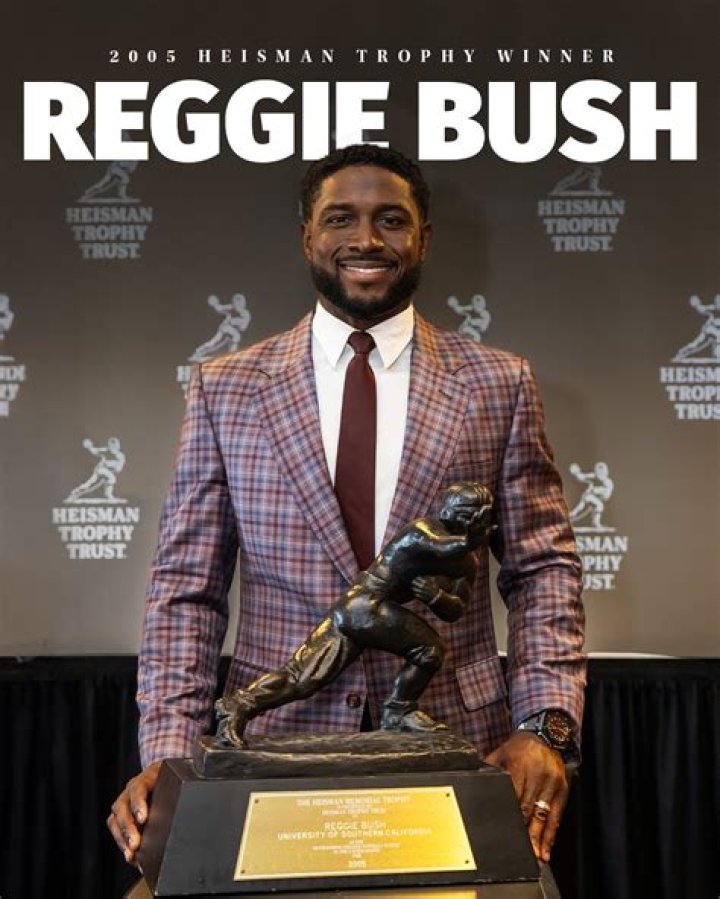
In the world of college football, few names resonate as powerfully as Reggie Bush's. His dynamic plays and electrifying presence on the field made him a household name, culminating in the crowning achievement of winning the Heisman Trophy in 2005. However, this iconic victory was marred by controversy, leading to the unprecedented revocation of his Heisman Trophy years later. This article delves into the intricate details surrounding why Reggie Bush had his Heisman taken, exploring the events, decisions, and repercussions that have left an indelible mark on his legacy.
Reggie Bush's journey from a celebrated college athlete to a figure entangled in controversy provides a compelling narrative filled with lessons and insights. The story is more than just about sports; it encompasses themes of ethics, accountability, and the pursuit of excellence amidst adversity. By understanding the circumstances behind the loss of his Heisman Trophy, we gain a deeper appreciation of the challenges faced by athletes both on and off the field.
The revocation of Reggie Bush's Heisman was not an isolated incident but rather the culmination of an extensive investigation that uncovered violations of NCAA rules. This article aims to unravel the complexities of this case, shedding light on the reasons behind the decision and the broader implications for college athletics. Through a detailed exploration of the facts and events, we strive to offer a comprehensive understanding of why Reggie Bush had his Heisman taken, while also reflecting on the lasting impact of this controversy.
Biography of Reggie Bush
Reggie Bush, born on March 2, 1985, in Spring Valley, California, is a former professional American football player. Known for his speed and agility, Bush made a significant impact on the field during his time at the University of Southern California (USC). He played as a running back and was a pivotal player for the USC Trojans. Over the years, Bush's career expanded beyond college football, as he went on to play in the NFL for teams like the New Orleans Saints, Miami Dolphins, and Detroit Lions, among others.
| Full Name | Reginald Alfred Bush Jr. |
|---|---|
| Date of Birth | March 2, 1985 |
| Birthplace | Spring Valley, California, USA |
| Height | 6 feet (1.83 m) |
| Weight | 205 lbs (93 kg) |
| Position | Running Back |
| College | University of Southern California (USC) |
| Professional Teams | New Orleans Saints, Miami Dolphins, Detroit Lions, San Francisco 49ers, Buffalo Bills |
Early Life and Career Beginnings
Reggie Bush's early life was marked by his passion for sports and dedication to achieving excellence. Growing up in the suburbs of San Diego, Bush attended Helix High School in La Mesa, California, where he quickly emerged as a standout athlete. His exceptional skills in football caught the attention of scouts, and he was heavily recruited by several top college programs. Bush eventually chose to attend the University of Southern California, where he would begin his illustrious college football career.
At USC, Bush's talent and work ethic set him apart from his peers. He quickly became a vital component of the Trojans' offense, known for his ability to break tackles and perform remarkable plays. His versatility allowed him to excel in multiple roles, including running back, receiver, and return specialist. During his time at USC, Bush not only honed his athletic abilities but also developed the leadership qualities that would serve him well throughout his career.
College Football Career
Reggie Bush's college football career is often celebrated as one of the most outstanding in NCAA history. His tenure at USC was marked by numerous accolades and unparalleled performances. Bush's agility, speed, and vision on the field made him a formidable opponent and a fan favorite.
Throughout his college career, Bush consistently delivered jaw-dropping performances. He amassed impressive statistics, including rushing yards, touchdowns, and all-purpose yards, setting records that would stand the test of time. His ability to change the course of a game with a single play earned him the nickname "The Human Highlight Reel."
In 2005, Bush's contributions to the USC Trojans led the team to a BCS National Championship victory, solidifying his status as one of the best college football players of his generation. His outstanding performances and leadership on the field made him a top contender for the prestigious Heisman Trophy.
Heisman Trophy Victory
The pinnacle of Reggie Bush's college football career came in 2005 when he was awarded the Heisman Trophy, the most coveted individual honor in college football. The award recognized his exceptional performance during the season, where he amassed over 2,600 all-purpose yards and scored 18 touchdowns. Bush's electrifying style of play captured the hearts of fans and voters alike, making him a unanimous choice for the award.
Receiving the Heisman Trophy was a testament to Bush's hard work, dedication, and extraordinary talent. It cemented his legacy as one of the greatest college football players of all time. The ceremony, held in New York City, was a momentous occasion for Bush, his family, and the USC community.
NCAA Investigation into Violations
However, the celebration of Reggie Bush's Heisman victory was short-lived. In the years following his win, allegations of NCAA rule violations surfaced, prompting an investigation into the USC football program. The investigation centered around claims that Bush and his family had received improper benefits from sports agents, which violated NCAA amateurism rules.
The NCAA's investigation was thorough, involving interviews with key witnesses, examination of financial records, and analysis of the relationships between Bush, his family, and the sports agents involved. The findings of the investigation revealed a series of violations that included impermissible benefits such as money, gifts, and housing.
Findings and Consequences
The NCAA's investigation concluded with significant findings that had far-reaching consequences for Reggie Bush and the USC football program. The violations were deemed severe, leading to substantial penalties being imposed on USC. These included the forfeiture of wins, a two-year bowl ban, and a reduction in scholarships.
For Reggie Bush, the consequences were even more personal. The NCAA deemed him retroactively ineligible for the 2005 season, effectively vacating his statistics and accomplishments from that year. This decision was a significant blow to Bush's legacy and marked a turning point in his career.
The Decision to Revoke the Heisman
The culmination of the NCAA's findings led to the unprecedented decision to revoke Reggie Bush's Heisman Trophy. In 2010, the Heisman Trust made the announcement, stating that Bush had voluntarily forfeited the award. This decision marked the first time in the history of the Heisman Trophy that a winner had returned the award.
The revocation of the Heisman Trophy was a somber moment for Bush and his supporters. It was a reminder of the importance of upholding the integrity of collegiate athletics and the consequences of violating NCAA rules. Despite the setback, Bush remained optimistic about the future, focusing on his professional career and personal growth.
Impact on Reggie Bush's Career
The loss of the Heisman Trophy had a profound impact on Reggie Bush's career, both personally and professionally. While he continued to play in the NFL, the controversy surrounding his college career followed him, affecting his public image and reputation. Despite the challenges, Bush persevered, demonstrating resilience and determination in the face of adversity.
Throughout his professional career, Bush remained focused on his performance on the field, contributing to the success of the teams he played for. He continued to inspire fans with his dedication and sportsmanship, leaving a lasting legacy in the world of football.
Public Reaction and Controversy
The decision to revoke Reggie Bush's Heisman Trophy sparked a heated debate among fans, sports analysts, and the general public. Many questioned the fairness of the decision, arguing that Bush's on-field accomplishments should not be overshadowed by off-field controversies. Others saw the decision as a necessary step in maintaining the integrity of collegiate sports.
The controversy surrounding Bush's Heisman revocation highlighted the complexities of NCAA rules and the challenges faced by student-athletes. It also prompted discussions about the role of amateurism in college sports and the need for reform within the NCAA.
Legal Battles and Appeals
In the aftermath of the Heisman revocation, Reggie Bush pursued legal avenues to restore his reputation and challenge the NCAA's decision. His legal team argued that the penalties imposed were excessive and that the NCAA's rules were outdated and unfair.
Despite several legal battles and appeals, the decision to revoke the Heisman Trophy remained unchanged. However, Bush's efforts brought attention to the broader issues within the NCAA, contributing to ongoing discussions about the need for reform and the rights of student-athletes.
The Heisman Trust and Its Role
The Heisman Trust, responsible for awarding the Heisman Trophy, played a crucial role in the decision to revoke Reggie Bush's award. The Trust's mission is to uphold the integrity and prestige of the Heisman Trophy, ensuring that recipients exemplify the values of sportsmanship and excellence.
The Trust's decision to revoke Bush's Heisman was not made lightly, as it required careful consideration of the NCAA's findings and the implications for the award's legacy. The decision underscored the importance of maintaining the credibility of the Heisman Trophy and the values it represents.
Legacy and Lessons Learned
Despite the controversy and challenges, Reggie Bush's legacy in college football remains significant. His performances on the field continue to inspire future generations of athletes, and his story serves as a reminder of the importance of accountability and integrity in sports.
The lessons learned from Bush's experience have prompted discussions about the need for reform within the NCAA and the importance of supporting student-athletes in navigating the complexities of college sports. Bush's journey is a testament to the resilience and determination required to overcome adversity and achieve greatness.
Future of NCAA Rules and Regulations
The controversy surrounding Reggie Bush's Heisman Trophy has contributed to ongoing discussions about the future of NCAA rules and regulations. In recent years, there has been a growing movement to address the challenges faced by student-athletes, including issues related to compensation, rights, and the role of amateurism in college sports.
Efforts to reform the NCAA's rules and regulations continue, with the goal of creating a more equitable and supportive environment for student-athletes. The lessons learned from Bush's experience serve as a catalyst for change, inspiring efforts to ensure that future generations of athletes can pursue their dreams with integrity and fairness.
Frequently Asked Questions
- Why was Reggie Bush's Heisman Trophy taken away?
Reggie Bush's Heisman Trophy was taken away due to violations of NCAA rules, specifically related to receiving improper benefits while playing for USC.
- What were the consequences for USC due to the NCAA investigation?
USC faced several penalties, including a two-year bowl ban, the forfeiture of wins, and a reduction in scholarships.
- Did Reggie Bush play in the NFL after the Heisman controversy?
Yes, Reggie Bush continued his professional career in the NFL, playing for teams such as the New Orleans Saints, Miami Dolphins, and Detroit Lions.
- Has the NCAA changed its rules since the Reggie Bush controversy?
There have been ongoing discussions and efforts to reform NCAA rules, particularly in areas related to athlete compensation and rights.
- Did Reggie Bush appeal the decision to revoke his Heisman Trophy?
Yes, Reggie Bush pursued legal avenues to challenge the decision, but the revocation remained in place.
- What is the role of the Heisman Trust in the controversy?
The Heisman Trust is responsible for awarding the Heisman Trophy and made the decision to revoke Bush's award based on the NCAA's findings.
Conclusion
The story of why Reggie Bush had his Heisman taken is a complex narrative that intertwines the triumphs and tribulations of a remarkable athlete. While the controversy surrounding the revocation of his Heisman Trophy has left an indelible mark on his legacy, it also serves as a valuable lesson in the importance of integrity, accountability, and the evolving landscape of collegiate athletics.
Reggie Bush's journey from a celebrated college football star to a figure embroiled in controversy highlights the challenges faced by student-athletes and the need for reform within the NCAA. As the sports community continues to grapple with issues of fairness and equity, Bush's experience remains a poignant reminder of the need for change and the pursuit of excellence with integrity.
Ultimately, Reggie Bush's story is one of resilience and determination. Despite the challenges and setbacks, he has continued to inspire others with his dedication to the sport and his commitment to personal growth. As the landscape of college athletics evolves, the lessons learned from Bush's experience will undoubtedly shape the future of the game and the opportunities available to future generations of athletes.