The Ultimate Guide to Healthy Living: Tips and Strategies for a Balanced Lifestyle
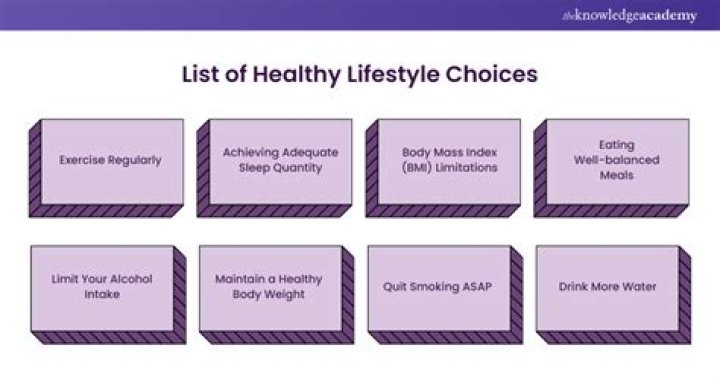
Healthy living is not just a trend; it's a lifestyle choice that significantly impacts your overall well-being. In today's fast-paced world, many individuals struggle to maintain a healthy lifestyle, often prioritizing convenience over nutrition. This guide aims to provide you with the essential tips and strategies for adopting a healthier way of living, focusing on nutrition, exercise, mental health, and more. By the end of this article, you will have a comprehensive understanding of how to integrate healthy habits into your daily routine.
In a society where unhealthy food options and sedentary lifestyles are prevalent, it's more important than ever to prioritize your health. Healthy living encompasses a variety of factors, including physical activity, balanced nutrition, and mental well-being. Making small, consistent changes can lead to significant improvements in your health and quality of life.
This article will cover various aspects of healthy living, including practical tips on nutrition, effective exercise routines, and strategies to enhance mental health. Whether you're looking to lose weight, gain energy, or simply feel better in your body, this guide will provide you with the information you need to achieve your goals.
What is Healthy Living?
Healthy living refers to a lifestyle that promotes physical, mental, and emotional well-being. It encompasses a variety of practices that contribute to an individual’s overall health, including:
- Balanced nutrition
- Regular physical activity
- Sufficient sleep
- Stress management
- Positive social interactions
By incorporating these elements into your daily routine, you can enhance your quality of life and reduce the risk of chronic diseases.
The Importance of Healthy Living
Adopting a healthy lifestyle is crucial for several reasons, including:
- Reduction of chronic disease risk: A balanced diet and regular exercise can lower the risk of conditions such as obesity, diabetes, and heart disease.
- Improved mental health: Physical activity is linked to reduced symptoms of depression and anxiety.
- Enhanced energy levels: A nutritious diet and regular exercise can improve your energy and productivity throughout the day.
- Better quality of life: Healthy living contributes to a longer, more fulfilling life.
Nutrition Tips for a Balanced Diet
Nutrition plays a vital role in healthy living. Here are some essential tips for maintaining a balanced diet:
1. Choose Whole Foods
Focus on consuming whole, unprocessed foods such as:
- Fruits and vegetables
- Whole grains
- Lean proteins
- Healthy fats
2. Stay Hydrated
Drink plenty of water throughout the day to stay hydrated. Aim for at least 8 cups of water daily, adjusting based on activity levels and climate.
3. Practice Portion Control
Be mindful of portion sizes to prevent overeating. Using smaller plates and bowls can help control portions.
4. Limit Added Sugars and Processed Foods
Reduce your intake of foods high in added sugars and unhealthy fats. Instead, opt for natural sweeteners and healthier snack options.
Exercise Routines to Stay Fit
Regular physical activity is essential for maintaining a healthy lifestyle. Here are some effective exercise routines:
1. Cardiovascular Exercise
Engage in cardiovascular activities such as:
- Running or jogging
- Cycling
- Swimming
- Dancing
2. Strength Training
Incorporate strength training exercises to build muscle and improve metabolism. Examples include:
- Weightlifting
- Bodyweight exercises (push-ups, squats)
- Resistance band workouts
3. Flexibility and Balance
Incorporate flexibility and balance exercises such as yoga or Pilates to improve overall body function and reduce injury risk.
Mental Health Strategies for Well-Being
Mental health is just as important as physical health. Here are some strategies to enhance your mental well-being:
1. Practice Mindfulness
Engage in mindfulness practices such as meditation or deep breathing exercises to reduce stress and increase self-awareness.
2. Foster Positive Relationships
Maintain strong social connections with friends and family to provide emotional support and reduce feelings of loneliness.
3. Seek Professional Help if Needed
If you are struggling with mental health issues, consider seeking help from a qualified professional.
Building Healthy Habits
Creating and maintaining healthy habits is essential for long-term success. Here are some tips for building healthy habits:
- Start small: Begin with manageable changes and gradually increase your goals.
- Set specific goals: Define clear, achievable goals to keep yourself motivated.
- Track your progress: Use a journal or app to monitor your habits and celebrate milestones.
Overcoming Obstacles to Healthy Living
Challenges are inevitable when trying to maintain a healthy lifestyle. Here are some strategies to overcome common obstacles:
1. Lack of Time
Schedule your workouts and meal prep into your calendar to ensure you prioritize health.
2. Motivation
Find a workout buddy or join a community to stay motivated and accountable.
3. Cravings
Practice moderation and allow yourself occasional treats to prevent feelings of deprivation.
Conclusion
Maintaining a healthy lifestyle is a multifaceted journey that requires commitment and effort. By focusing on balanced nutrition, regular exercise, and mental well-being, you can significantly improve your quality of life. Remember, it's about progress, not perfection. Take small steps towards healthier choices, and you will reap the benefits over time. If you found this article helpful, feel free to leave a comment, share it with friends, or explore other articles on our site for more tips on healthy living.
Sources
- World Health Organization - Healthy Living
- Centers for Disease Control and Prevention - Nutrition
- American Heart Association - Physical Activity
- Mental Health America - Resources